Introduction to Biomechanics
S.S. Abedi-Shahri
What is Biomechanics?
Biomechanics is the application of mechanical principles to understand the structure, function, and motion of biological systems.
Key Questions We Address
use the down arrow or swipe down to continue
1. How do biological structures and systems move, deform, and maintain stability?
Gait Analysis - Movement and Posture Control - Neuromuscular Coordination - Sport Biomechanics - Comparative Biomechanics - Joint Biomechanics - Orthosis and Prosthesis - Rehabilitation Engineering - Assistive and Wearable Systems - Soft Robotics Biomechanics
2. What physical principles govern the forces, motions, and energy transformations in living systems?
Rheology - Biotribology - Material Modeling - Injury Biomechanics - Trauma Biomechanics - Robotic Surgery - Cardiac Electromechanics - Heart Biomechanics - Respiratory System Mechanics
3. How do geometry, composition, and material properties determine biological function at molecular to organismal scales?
Anthropometry - Bone Biomechanics - Tissue Biomechanics - Skin Biomechanics - Dental / Craniofacial Biomechanics - Ocular Biomechanics - Plant Biomechanics - Molecular Biomechanics
4. How do fluids and solids interact within and around biological systems?
Hemodynamics - Cardiopulmonary Mechanics - Kidney and Urinary Mechanics - Lymphatic System Mechanics - Microcirculation - Respiratory System Mechanics - Speech and Swallowing Biomechanics
5. How do mechanical forces influence growth, adaptation, repair, and failure?
Mechanobiology - Developmental Biomechanics - Tissue Engineering - Injury Biomechanics - Trauma Biomechanics - Reproductive Biomechanics
6. How can biomechanics principles be applied to improve health, performance, and technology?
Ergonomics / Occupational Biomechanics - Functional Capacity Evaluation - Rehabilitation Engineering - Assistive and Wearable Systems - Robotic Surgery - Orthosis and Prosthesis - Sport Biomechanics - Dental / Craniofacial Biomechanics
7. How do biomechanical insights contribute to understanding evolution, ecology, and behavior?
Comparative Biomechanics - Plant Biomechanics - Neural Biomechanics - Movement and Posture Control - Mechanobiology - Developmental Biomechanics
Frameworks for Understanding Biomechanics
Two Primary Domains
- Biosolids Domain
- Structural mechanics of tissues and organs
- Bone, muscle, cartilage, skin mechanics
- Prosthetics and implants
- Examples: Bone remodeling, joint replacements
- Biofluids Domain
- Flow of biological fluids
- Blood circulation, respiratory airflow
- Fluid-structure interactions
- Examples: Heart pumping, blood vessel flow
System Perspectives
- Structural Properties
- Focus: Material behavior and mechanical properties
- Questions: How strong? How stiff? How does it deform?
- Examples: Bone strength testing, tissue elasticity
- Functional Performance
- Focus: How systems work and perform tasks
- Questions: How efficient? How coordinated? How adaptive?
- Examples: Gait analysis, heart pumping efficiency
Scale Spectrum
Molecular → Cellular → Tissue → Organ → System → Whole-body
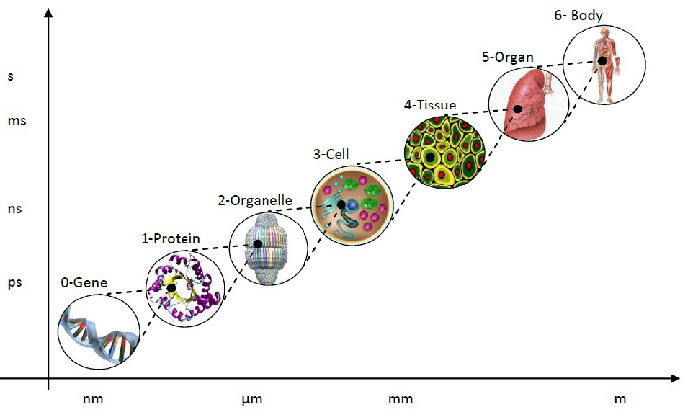
This course will survey 42 distinct subfields spanning the breadth of the biomechanics discipline
1. Anthropometry
Anthropometry is the measurement of human body dimensions and proportions to understand physical characteristics and variations across populations.
- Domain Type: Biosolids
- System Perspective: Structural Properties
- Scale: Whole-body
- Level of Maturity: Mature
Key Focus Areas
- Body segment lengths and circumferences
- Joint range of motion measurements
- Population-specific dimensional data
- Growth and aging-related changes
Examples & Applications
- Ergonomics: Designing workstations and tools for optimal human use


- Clothing Design: Creating size charts and fit models


- Sports Equipment: Design of outdoor fitness equipment


- Automotive Design: Optimizing vehicle interiors for safety and comfort

Primary Methods
- 3D body scanning technology

- Traditional anthropometric tools (calipers, tape measures)

- Digital photogrammetry

- Statistical analysis of population data
2. Assistive and Wearable Systems
Assistive and Wearable Systems involve the design and development of devices that augment, restore, or enhance human body function through mechanical assistance.
- Domain Type: Biosolids
- System Perspective: Functional Performance
- Scale: System
- Level of Maturity: Mature
Key Technologies
- Exoskeletons for strength augmentation
- Powered prosthetics with neural control
- Wearable sensors for health monitoring
- Robotic rehabilitation devices
Examples & Applications
- Rehabilitation: Powered exoskeletons for spinal cord injury patients

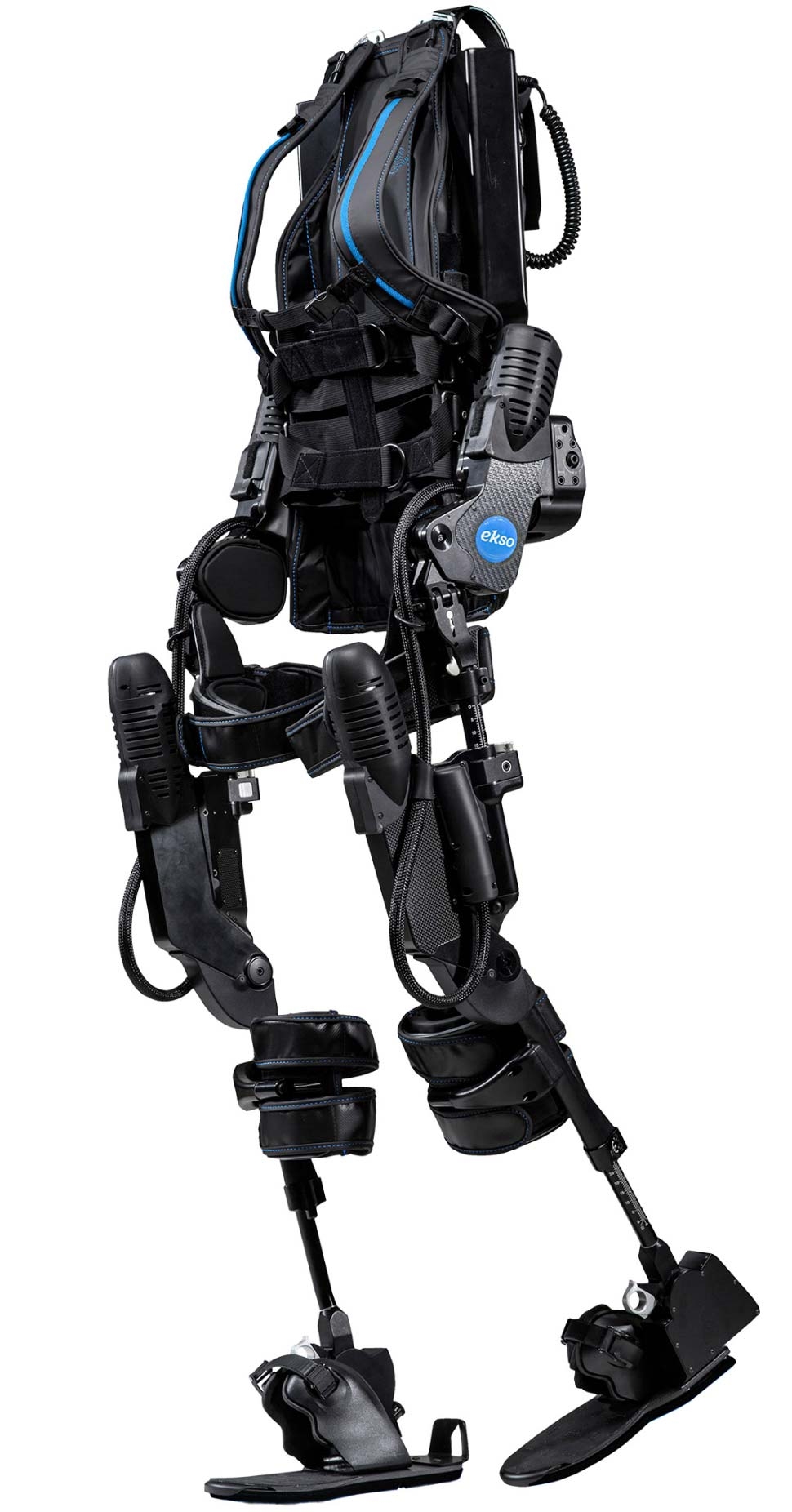
- Industrial: Load-bearing suits for heavy lifting tasks


- Military: Enhanced mobility and strength systems

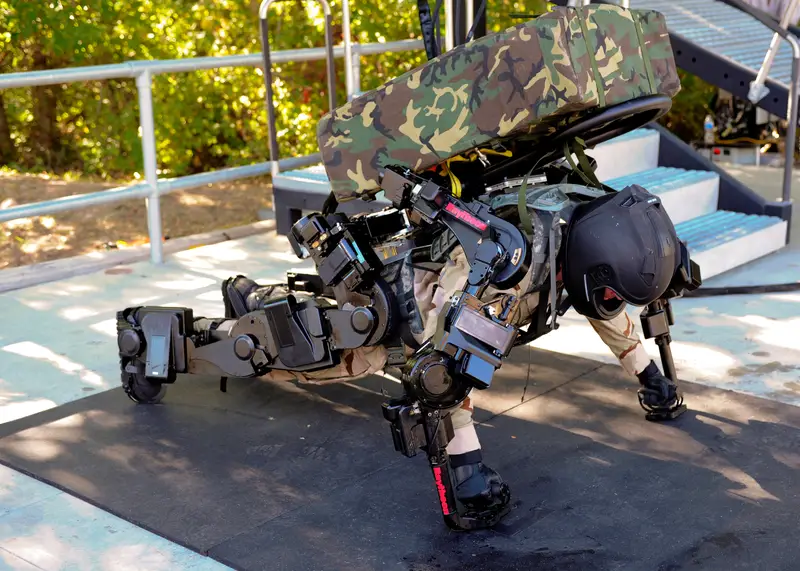
- Elderly Care: Fall prevention and mobility assistance devices

Primary Methods
- Sensor integration and signal processing
- Actuator design and control systems
- Human-machine interface development
- Real-time feedback and adaptation algorithms
3. Biotribology
Biotribology is the study of friction, wear, and lubrication in biological systems, particularly focusing on joint mechanics and artificial implant performance.
- Domain Type: Biosolids
- System Perspective: Structural Properties
- Scale: Tissue, Organ
- Level of Maturity: Mature
Key Focus Areas
- Synovial joint lubrication mechanisms
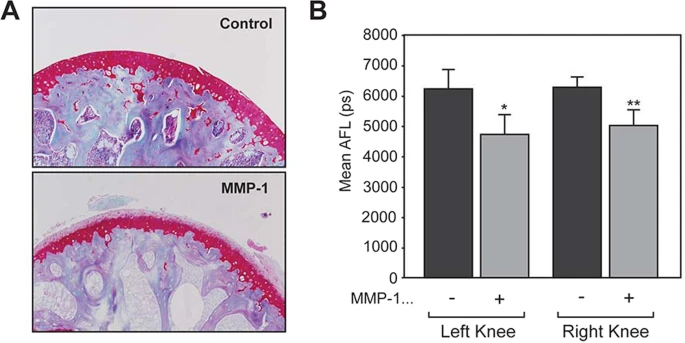
- Cartilage friction and wear properties
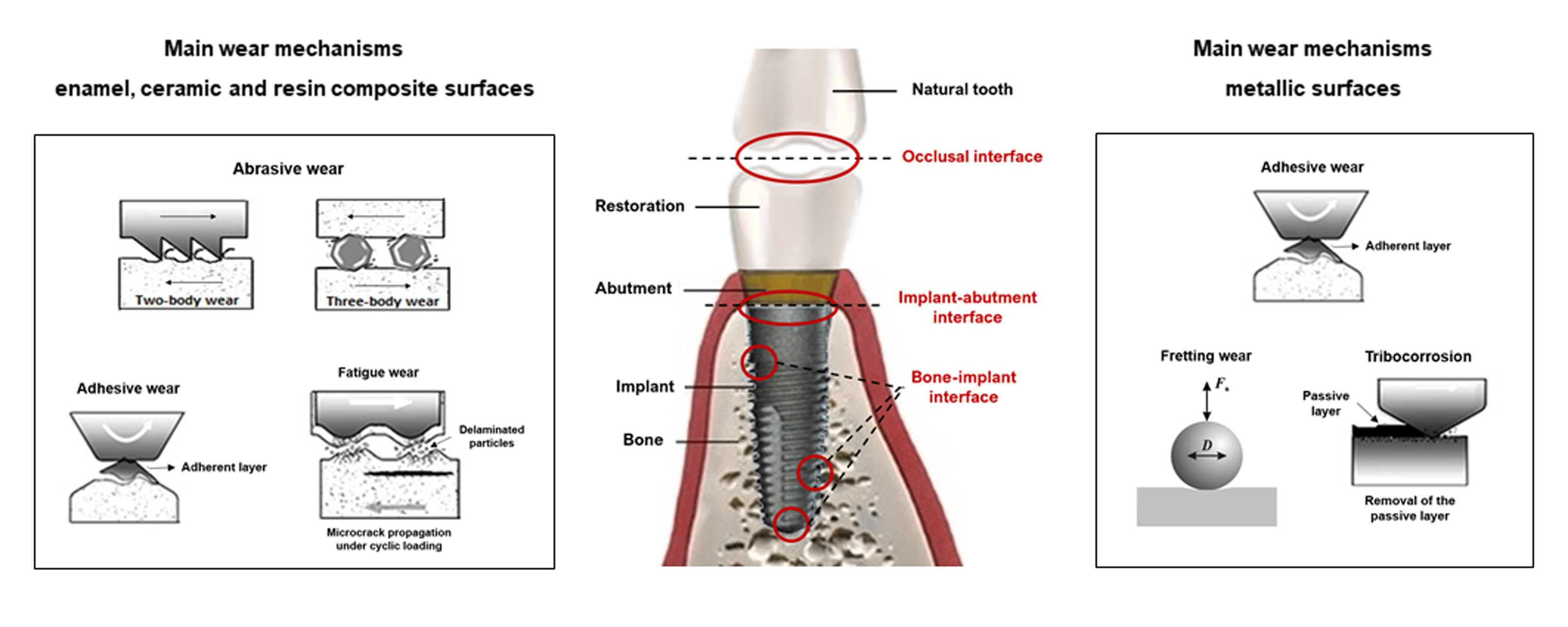
- Prosthetic joint tribology
- Surface modification for reduced wear
Examples & Applications
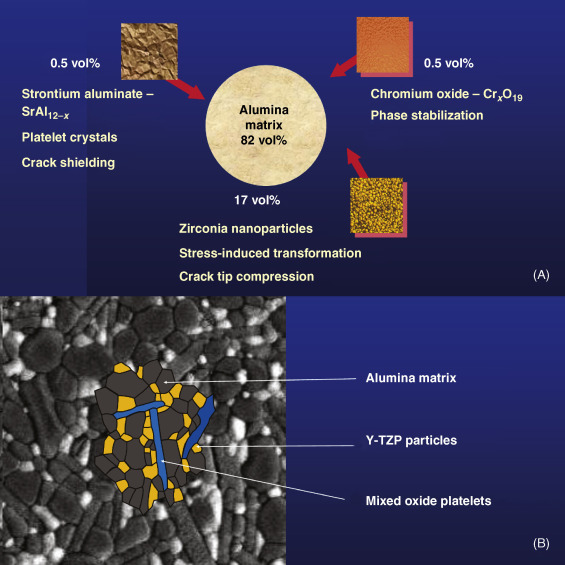
- Orthopedics: Hip and knee replacement design optimization

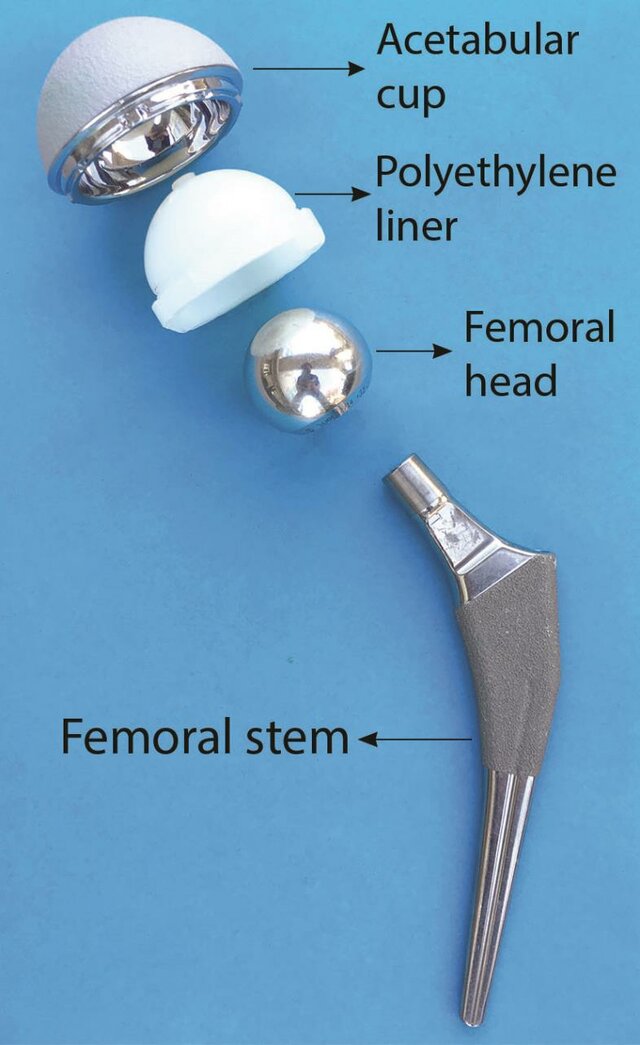
- Biomaterials: Development of low-friction bearing surfaces
- Arthritis Research: Understanding joint degeneration mechanisms

- Dental Applications: Tooth wear and TMJ mechanics
Primary Methods
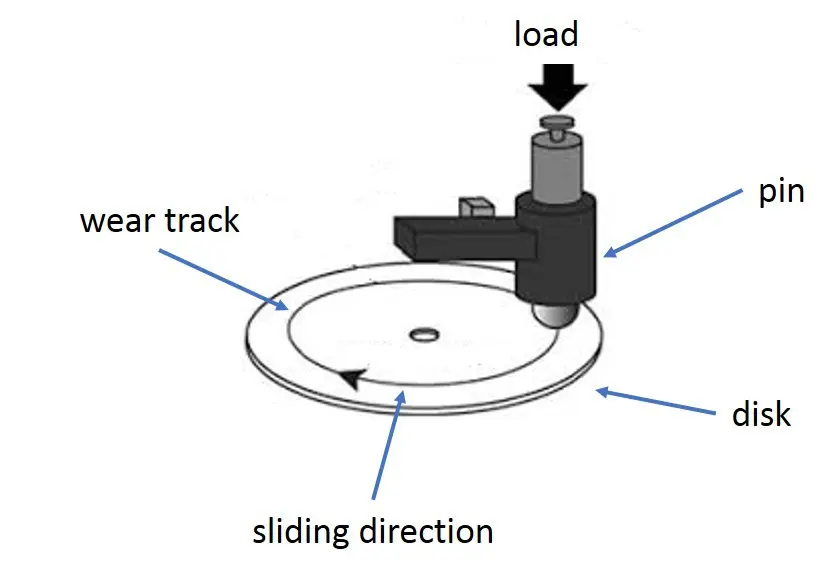
- Pin-on-disk tribometry testing
- Surface profilometry and analysis
- Lubrication film thickness measurement
- Finite element modeling of contact mechanics
4. Bone Biomechanics
Bone Biomechanics is the study of mechanical behavior, remodeling, and adaptation of bone tissue under various loading conditions and biological influences.
- Domain Type: Biosolids
- System Perspective: Structural Properties
- Scale: Tissue, Organ
- Level of Maturity: Mature
Key Focus Areas
- Bone material properties (strength, stiffness, toughness)
- Bone remodeling and adaptation to mechanical stress
- Fracture mechanics and healing processes
- Age-related changes in bone structure
Examples & Applications
- Fracture Mechanics: Understanding crack initiation and propagation

- Osteoporosis Research: Understanding bone loss and prevention

- Sports Medicine: Stress fracture prevention and treatment


- Aerospace Medicine: Bone loss in microgravity environments

Primary Methods
- Tensile and compression testing


- Medical imaging (CT, MRI, μCT)

- Finite element analysis

- Histomorphometry and bone density measurement

5. Cardiac Electromechanics
Cardiac Electromechanics studies the coupled relationship between electrical activation and mechanical contraction of the heart, integrating both Biosolids and biofluids principles.
- Domain Type: Both
- System Perspective: Both
- Scale: Organ
- Level of Maturity: Mature
Key Focus Areas
- Excitation-contraction coupling mechanisms
- Arrhythmia effects on cardiac output
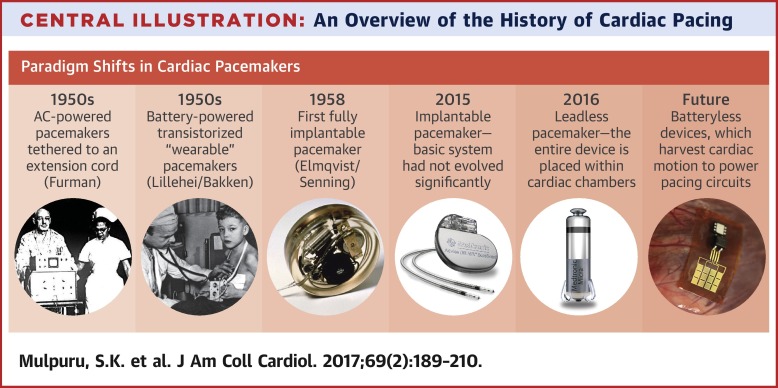
- Pacemaker and defibrillator interactions
- Heart failure electromechanical dyssynchrony
Examples & Applications
- Cardiology: Cardiac resynchronization therapy optimization
- Device Design: Pacemaker and ICD programming and design
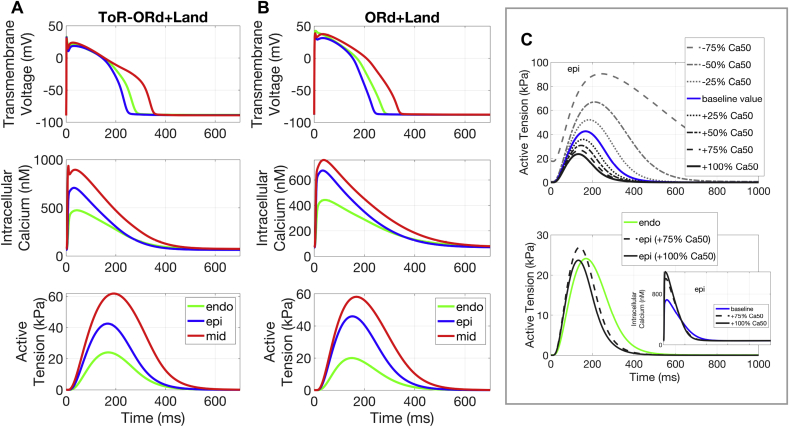
- Drug Development: Antiarrhythmic medication testing
Primary Methods
- Electrophysiology recording and mapping
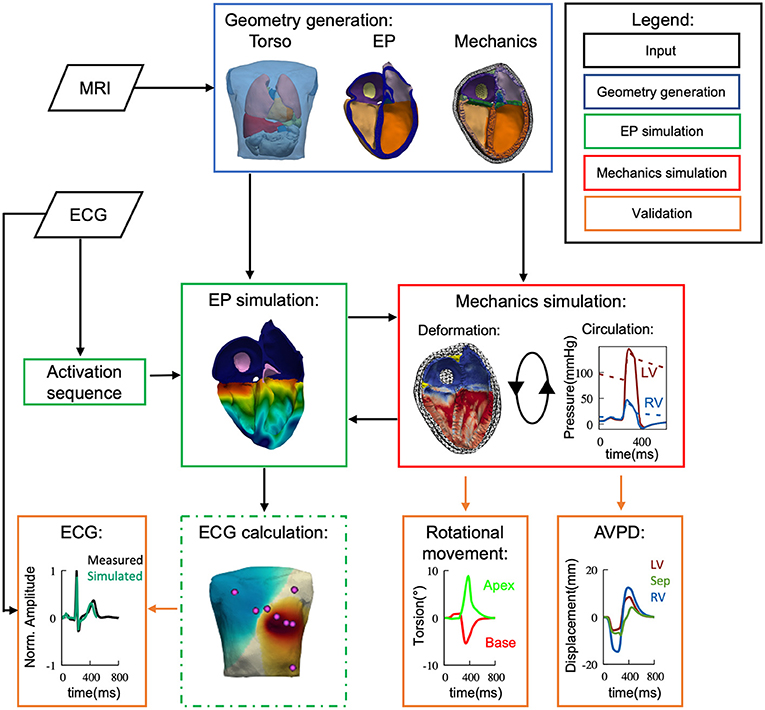
- Coupled computational simulations
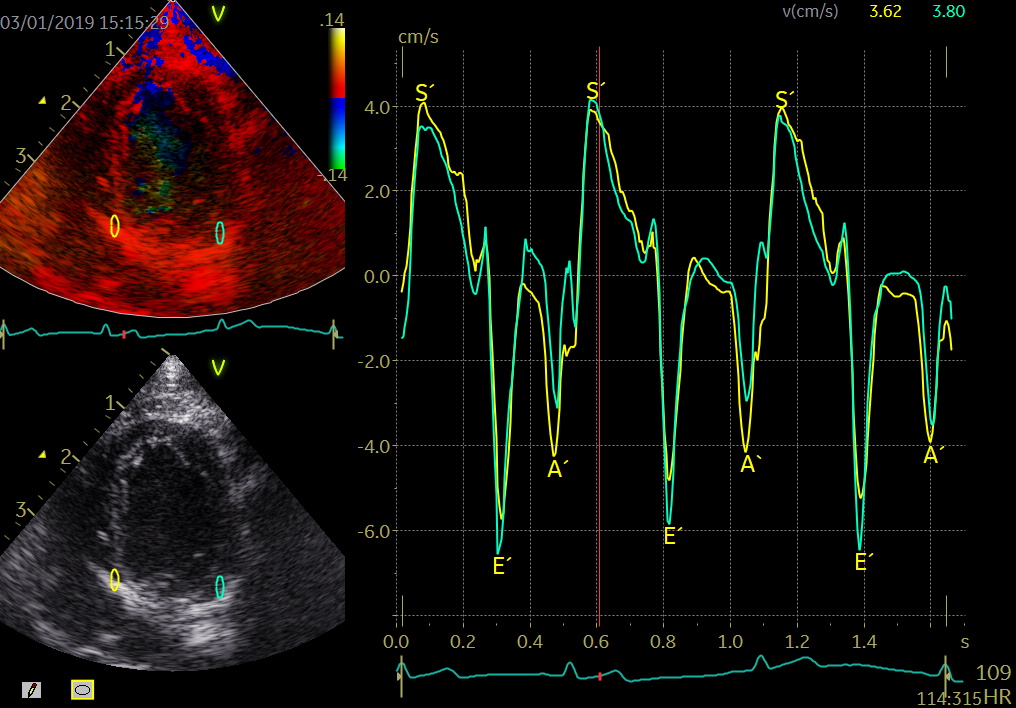
- Echocardiography with tissue Doppler
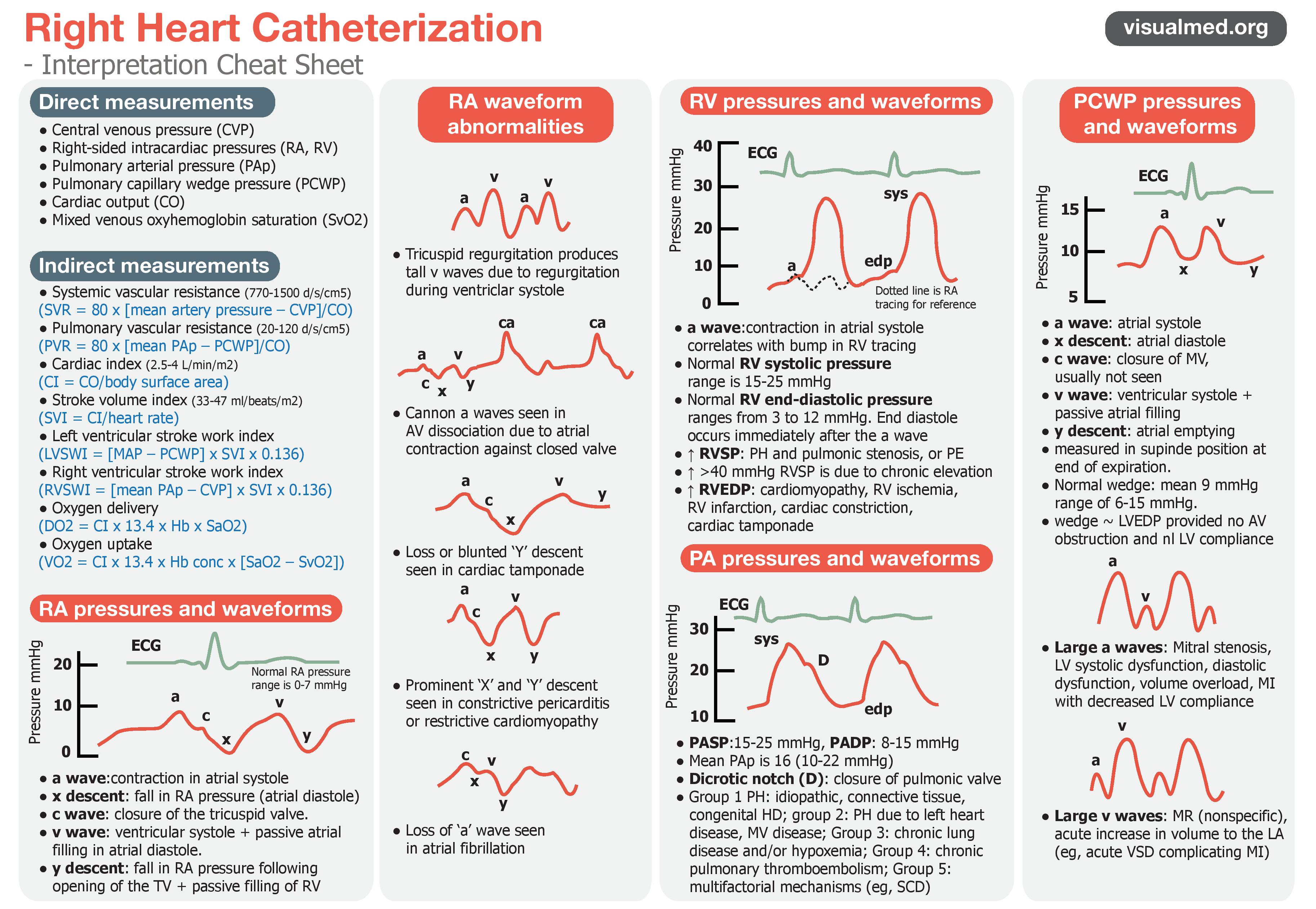
- Cardiac catheterization with pressure measurement
6. Cardiopulmonary Mechanics
Cardiopulmonary Mechanics examines the mechanical interaction between heart and lung function during respiration and circulation, focusing on their coordinated performance.
- Domain Type: Biofluids
- System Perspective: Functional Performance
- Scale: Organ, System
- Level of Maturity: Mature
Key Focus Areas
- Heart-lung mechanical coupling during breathing
- Venous return and cardiac preload effects
- Respiratory effects on cardiac output
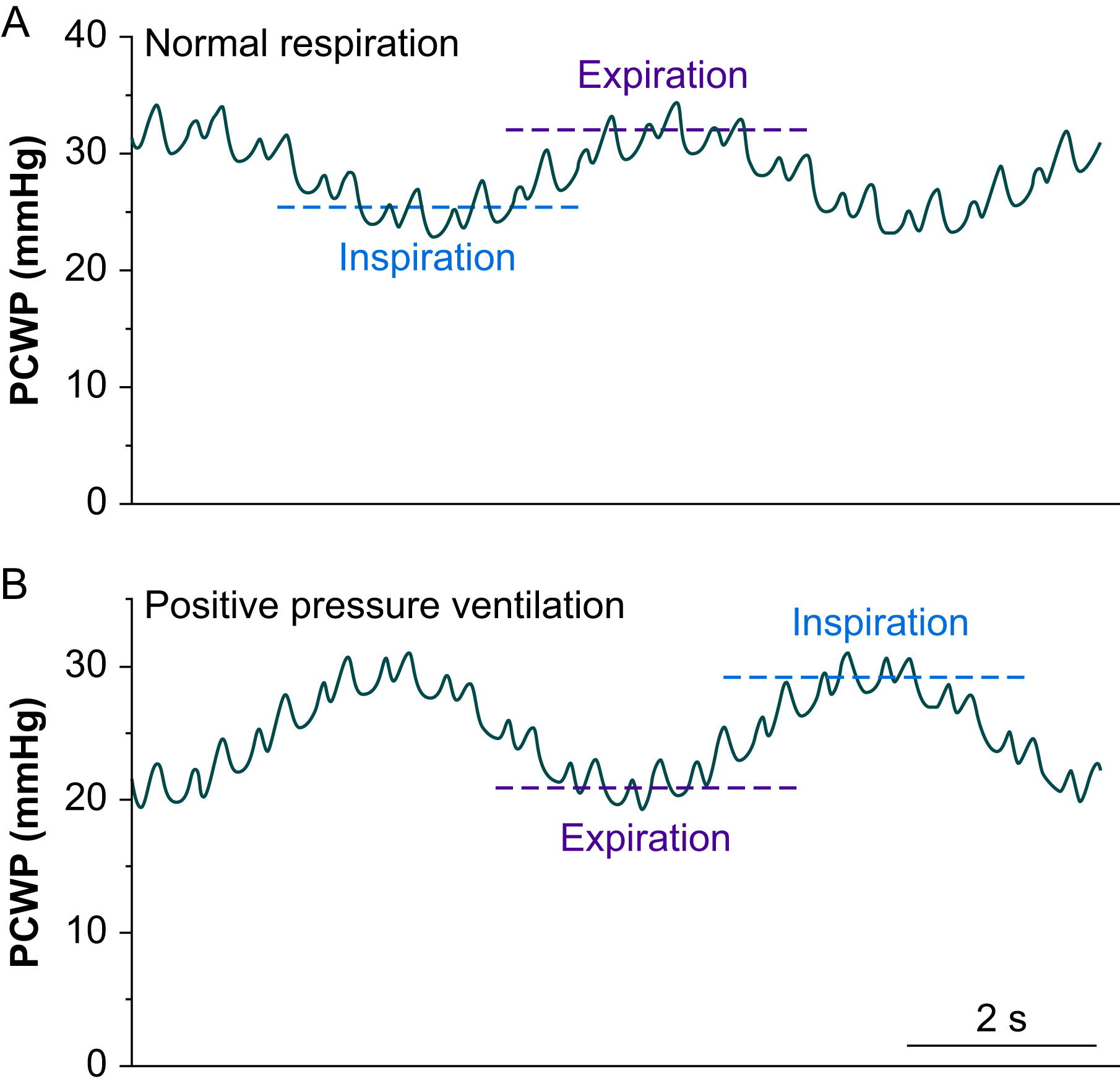
- Mechanical ventilation impacts on circulation
Examples & Applications
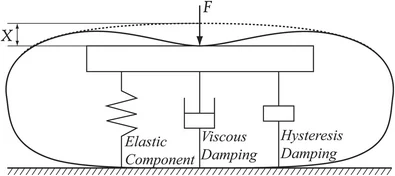
- Cardiopulmonary Resuscitation (CPR): The external pump
- ICU Medicine: Optimizing mechanical ventilation settings
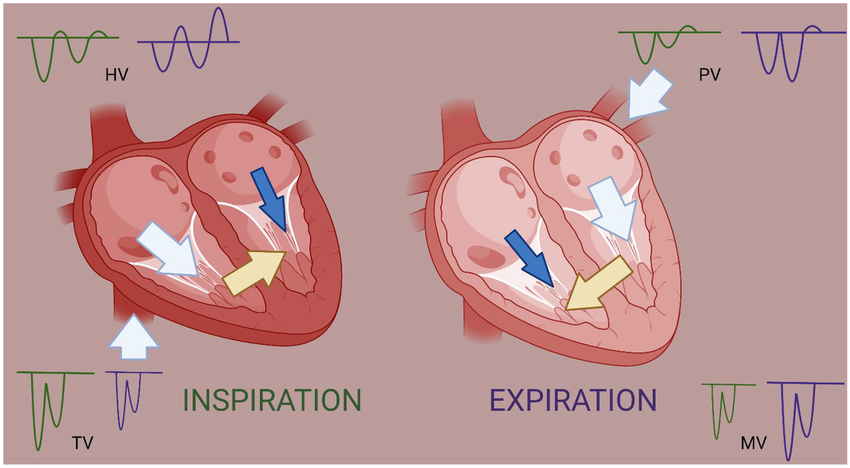
- Ventricular Interdependence: The septal shift
Primary Methods
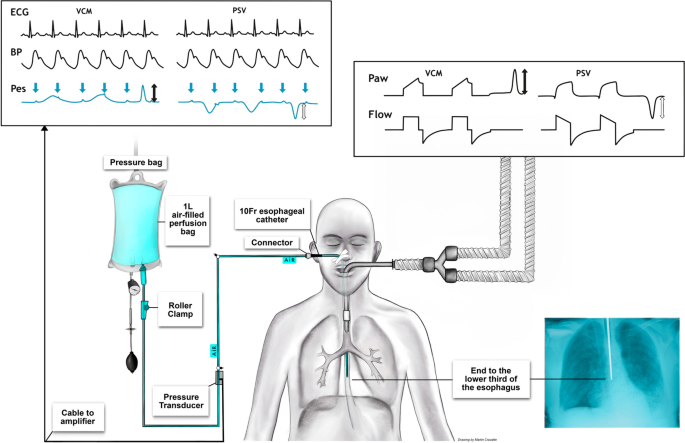
- Esophageal Balloon Manometry
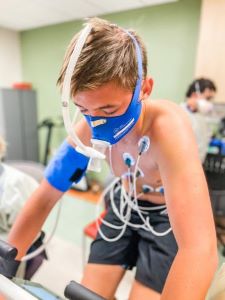
- Simultaneous cardiac and pulmonary function testing
- Compartment models

7. Cellular Biomechanics
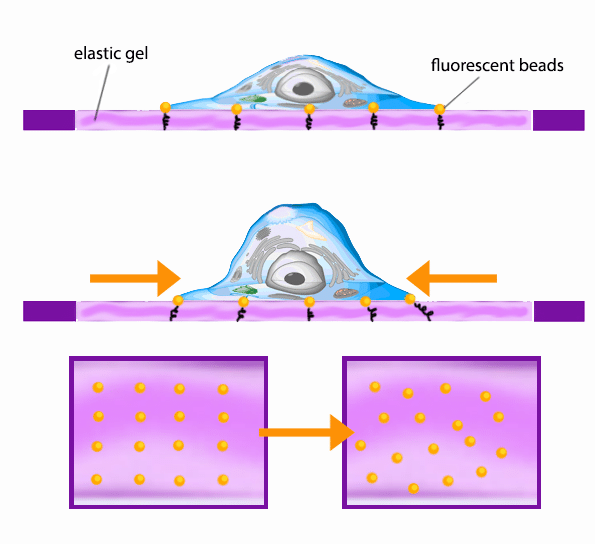
Cellular Biomechanics studies the mechanical properties and behavior of individual cells, including cytoskeletal dynamics, cell deformation, and mechanotransduction processes.
- Domain Type: Biosolids
- System Perspective: Functional Performance
- Scale: Cellular
- Level of Maturity: Emerging
Key Focus Areas
- Cell stiffness and viscoelastic properties
- Cytoskeletal structure and dynamics
- Mechanotransduction signaling pathways
- Cell migration and adhesion mechanics
Examples & Applications
- Mechanobiology: Understanding how cells sense and respond to forces
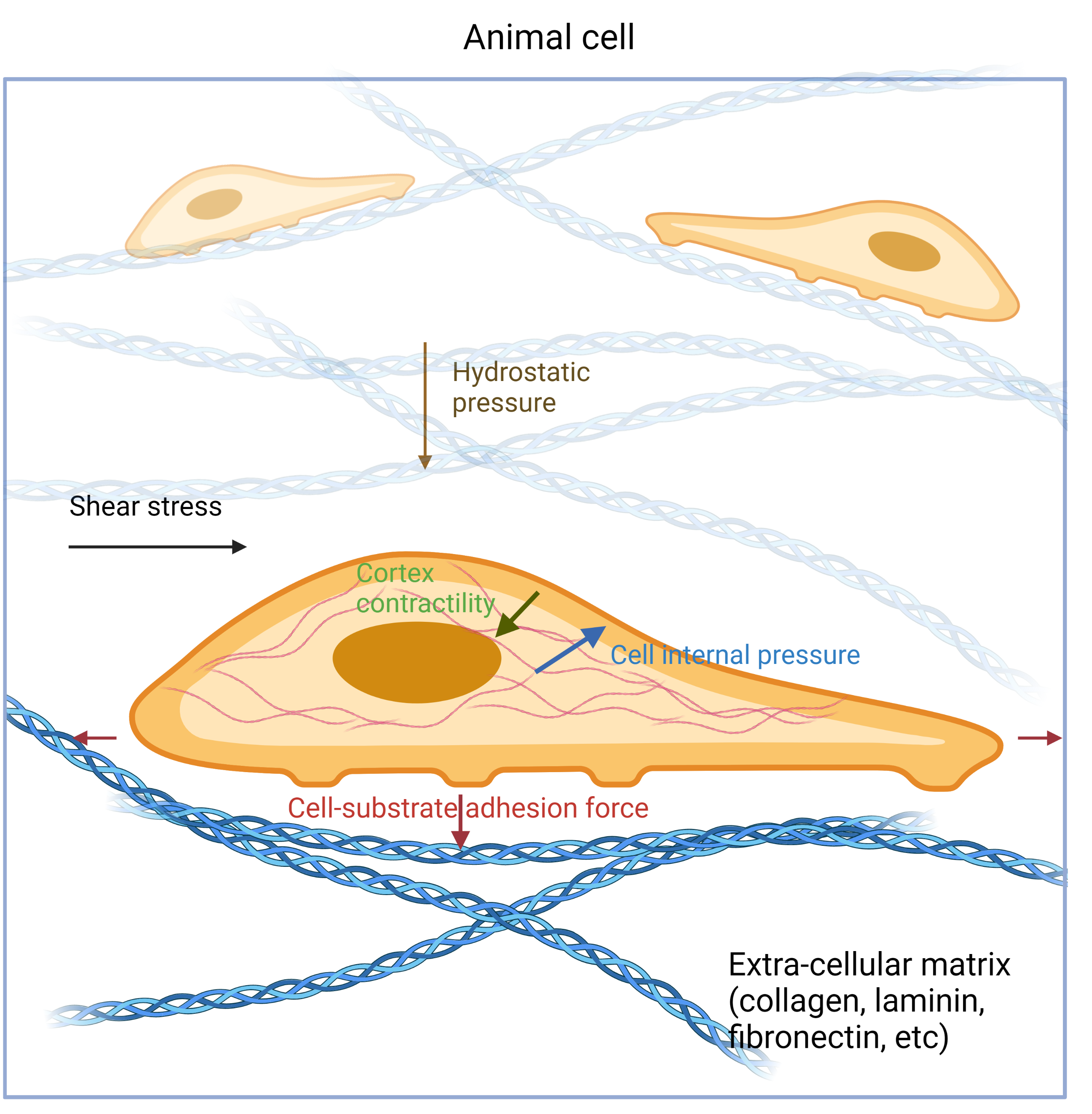
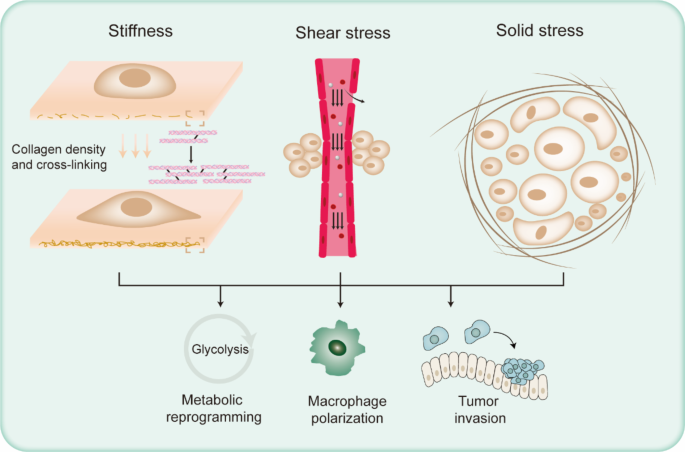
- Cancer Research: Studying metastasis and cell invasion mechanics
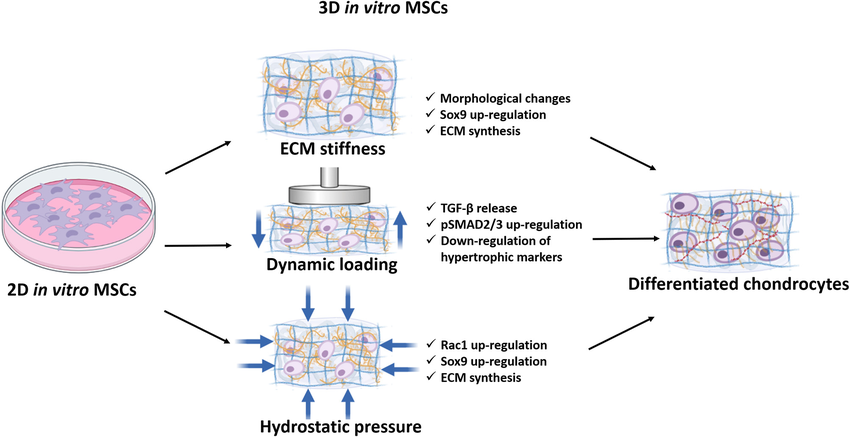
- Stem Cell Engineering: Controlling differentiation through mechanical cues
- Drug Discovery: Screening compounds affecting cell mechanics
Primary Methods
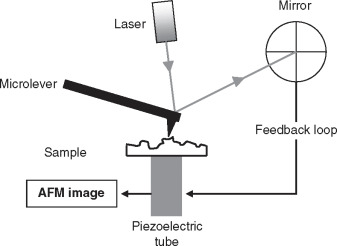
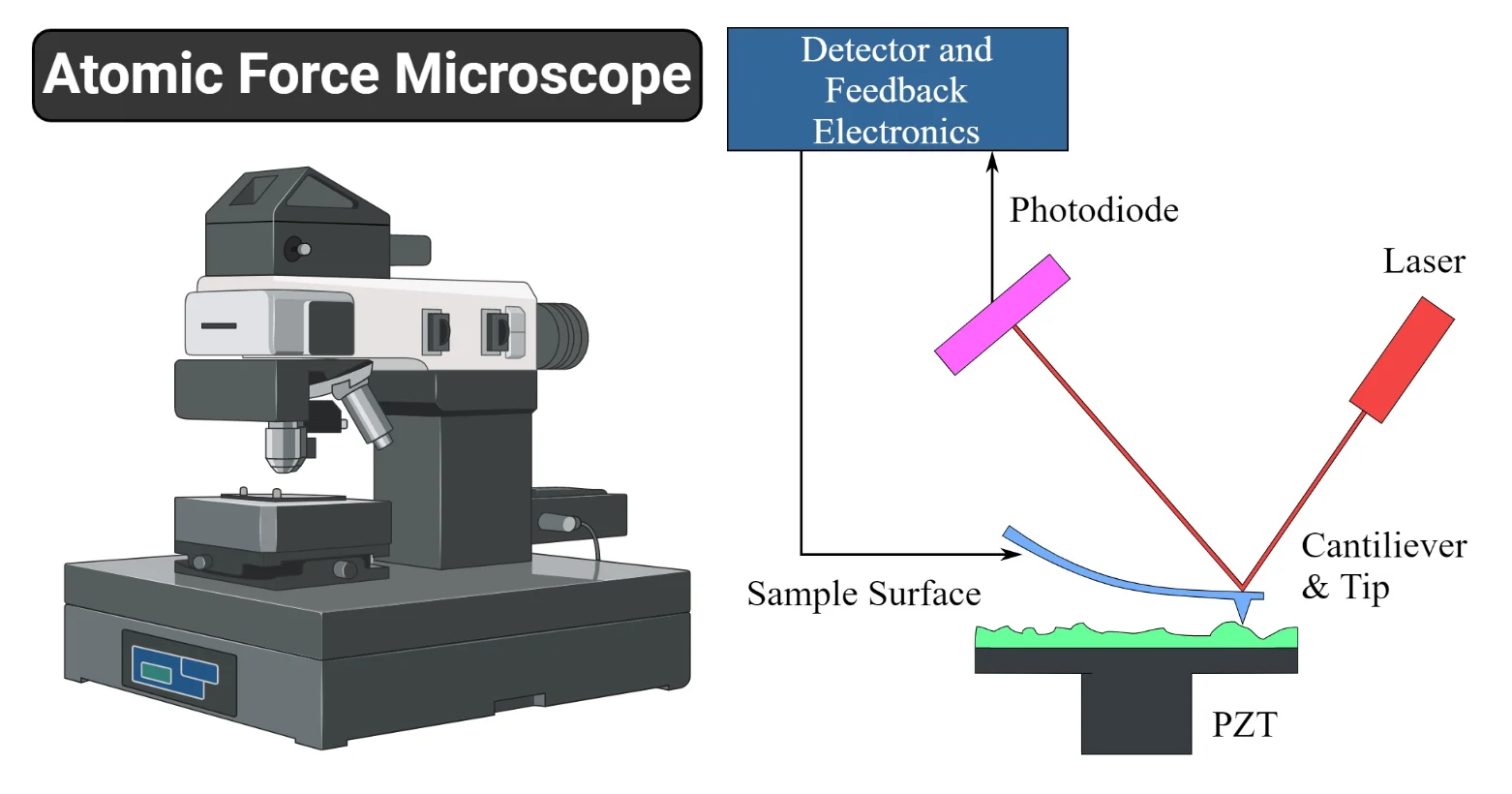
- Atomic force microscopy (AFM)
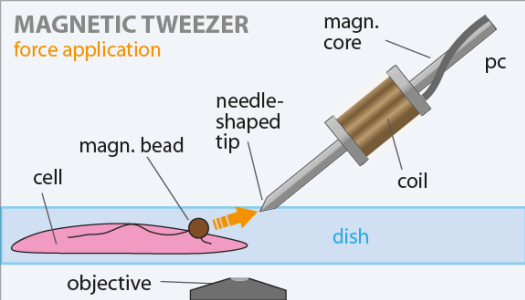
- Optical and magnetic tweezers
- Micropipette aspiration

- Traction force microscopy
8. Comparative Biomechanics
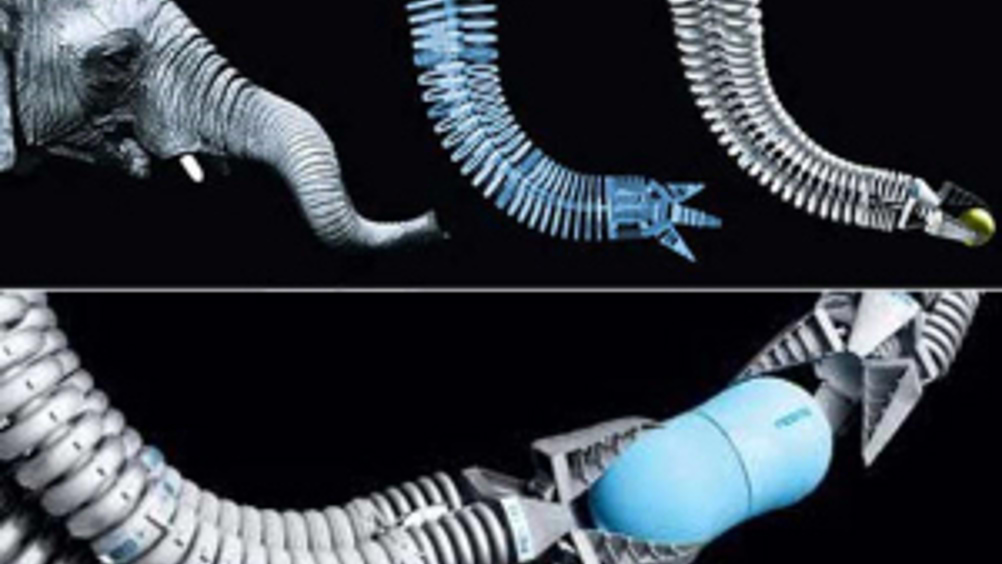
Comparative Biomechanics investigates mechanical principles across different species to understand evolutionary adaptations and inspire biomimetic design solutions.
- Domain Type: Both
- System Perspective: Both
- Scale: Multiscale
- Level of Maturity: Niche
Key Focus Areas
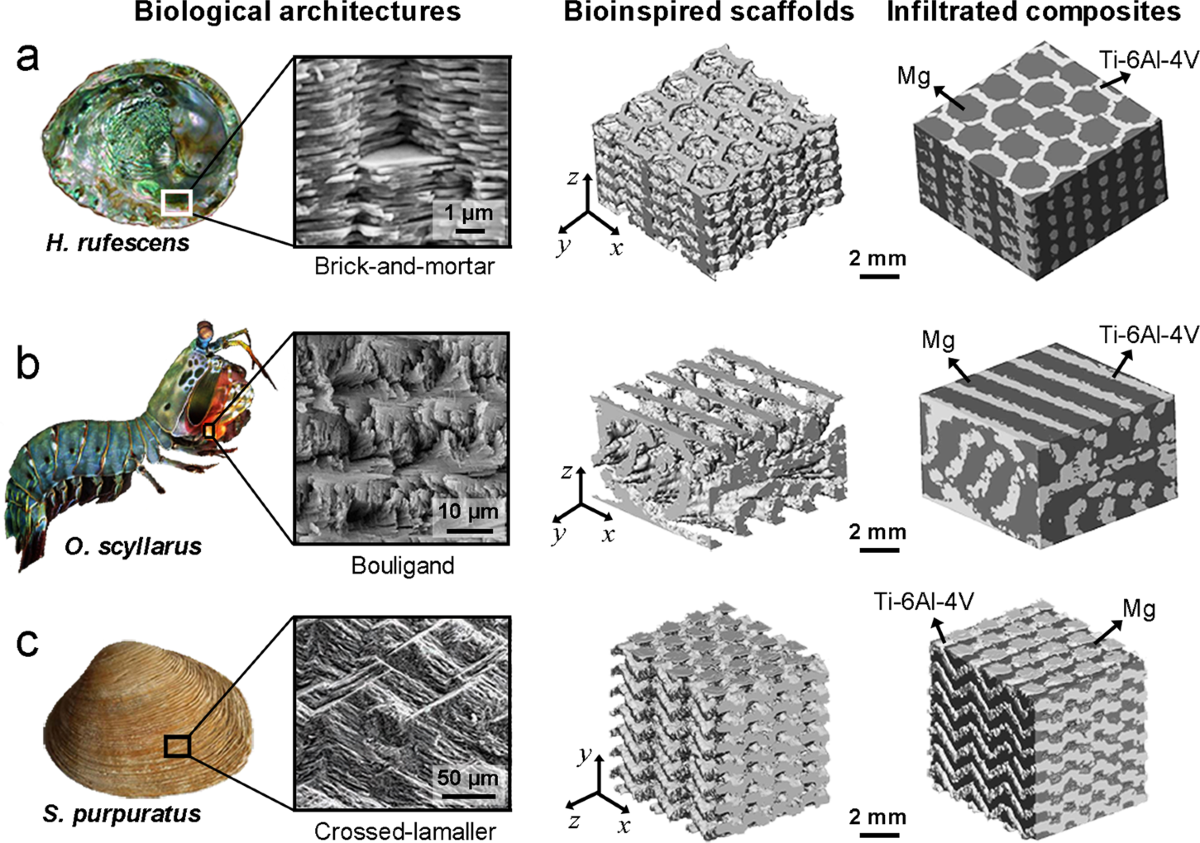
- Evolutionary optimization of biological structures
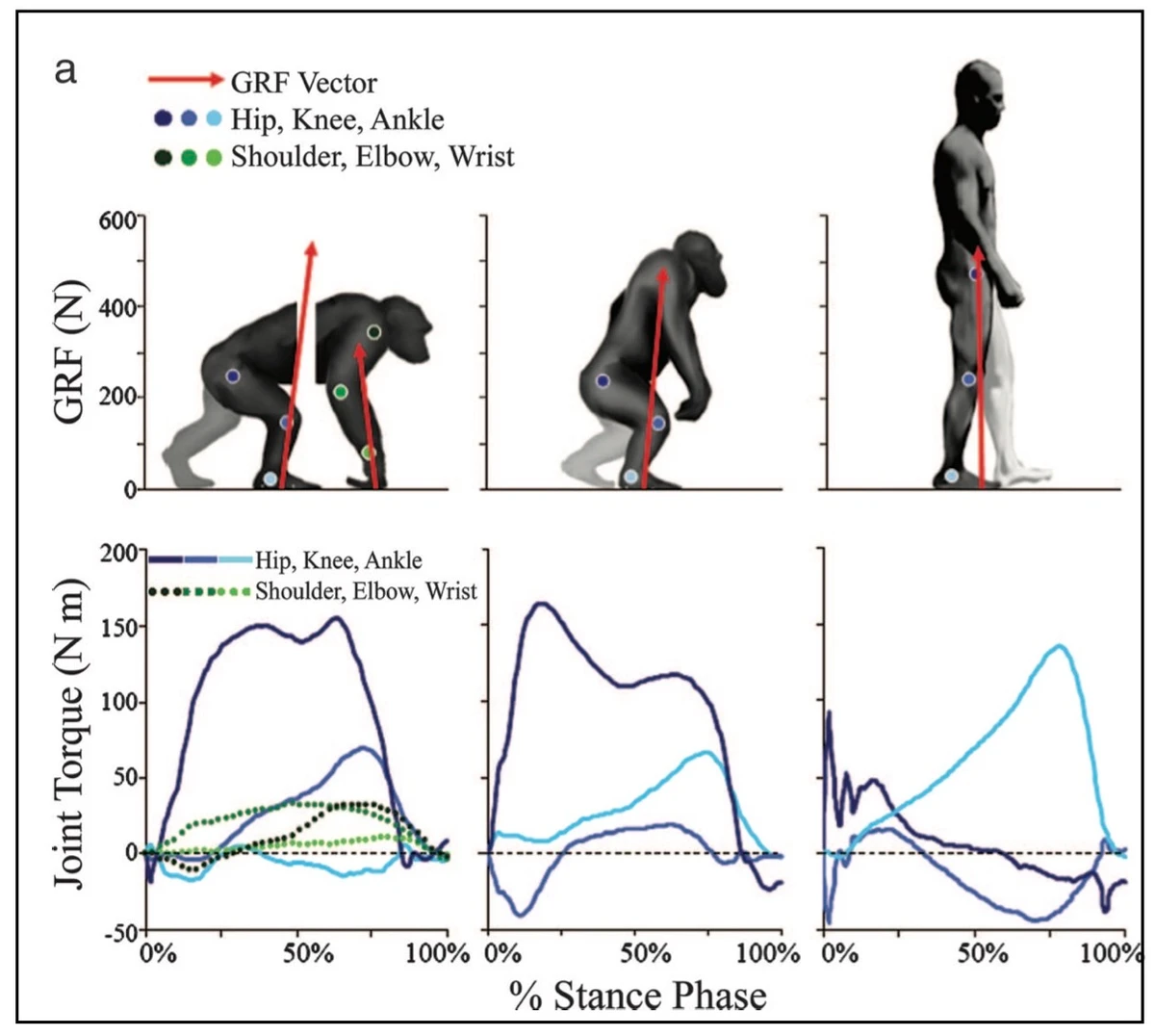
- Locomotion strategies across species
- Feeding and prey capture mechanisms
- Structural adaptations to environmental challenges
Examples & Applications
- Zoology: Understanding animal locomotion and behavior
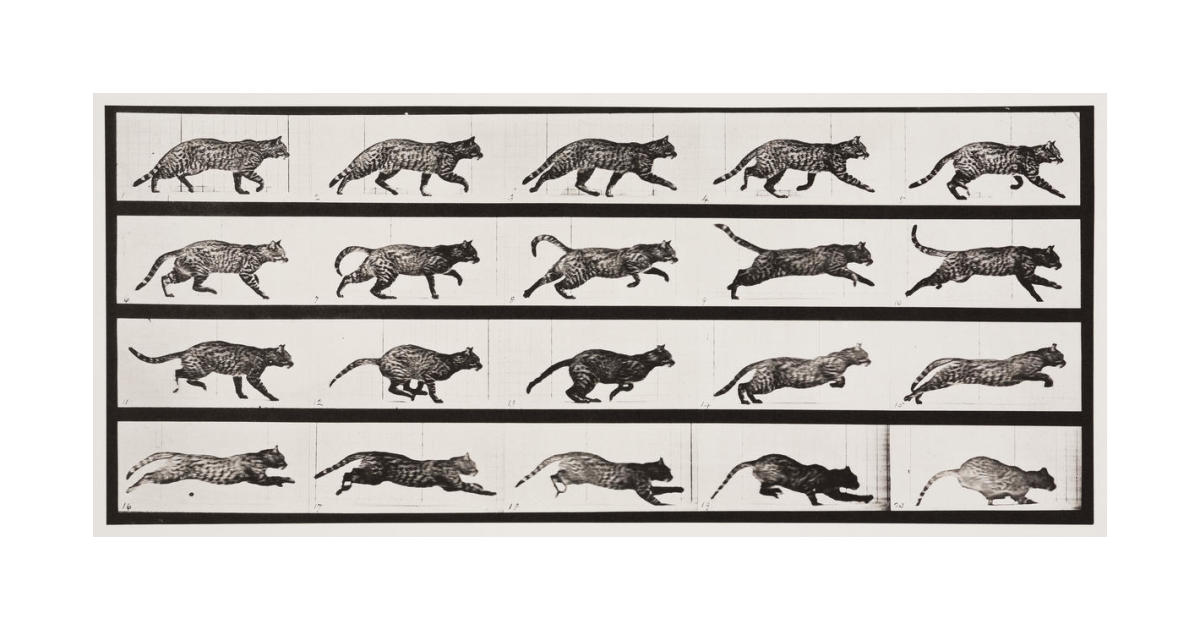
- Biomimetics: Designing robots inspired by animal movement
- Materials Science: Developing bio-inspired composite materials
- Evolutionary Biology: Studying form-function relationships
Primary Methods
- High-speed imaging and motion analysis
- Computational modeling of biological systems
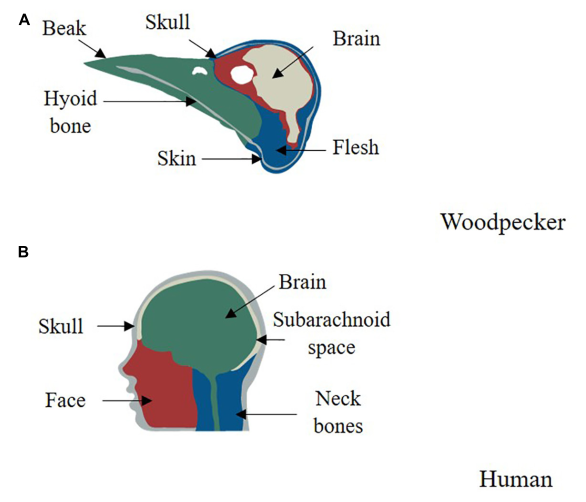
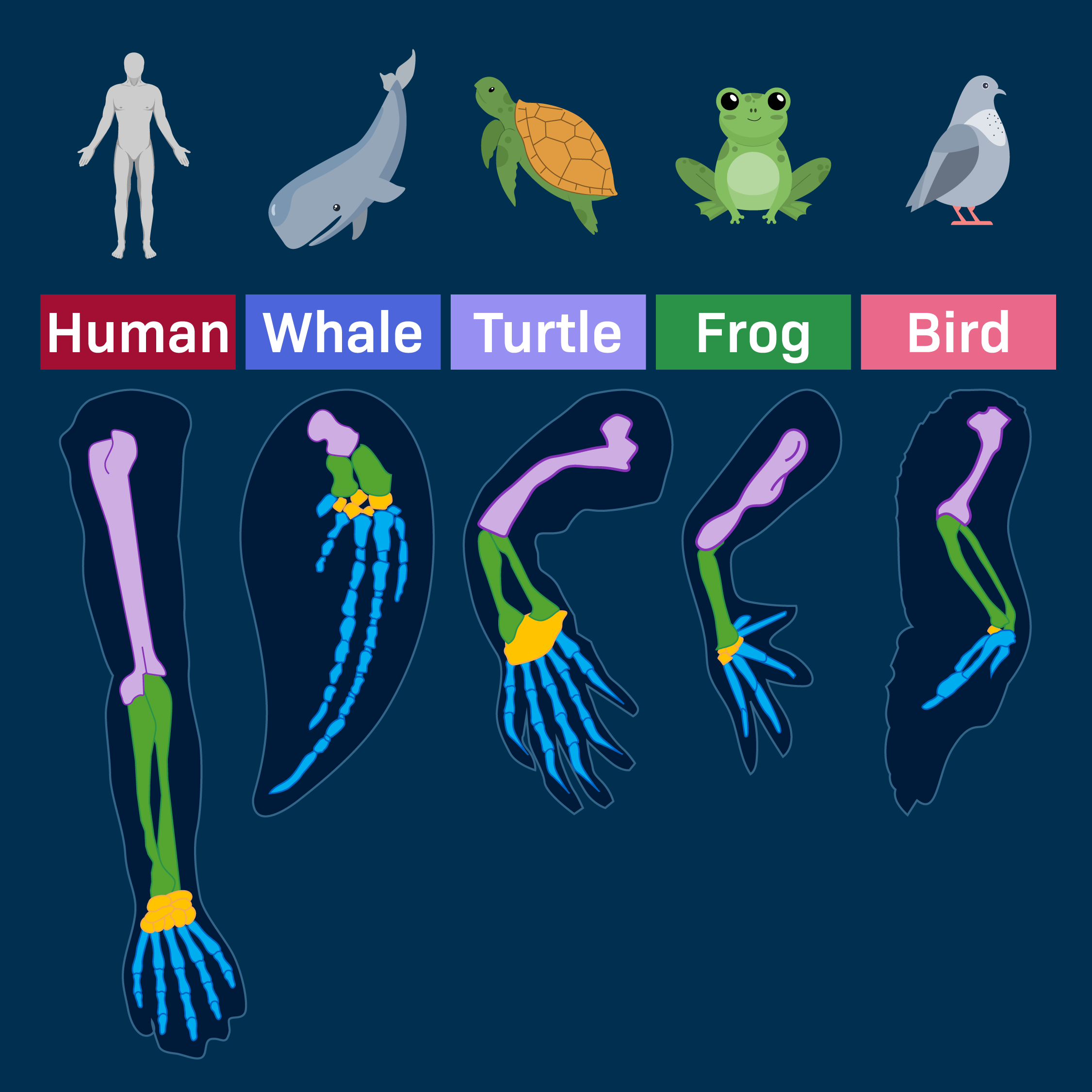
- Comparative anatomy and morphology
- Biomechanical testing across species
9. Computational Biomechanics
Computational Biomechanics employs mathematical modeling and computer simulation techniques to analyze and predict biomechanical behavior across multiple scales and systems.
- Domain Type: Both
- System Perspective: Both
- Scale: Multiscale
- Level of Maturity: Mature
Key Focus Areas
- Finite element analysis (FEA) of biological structures
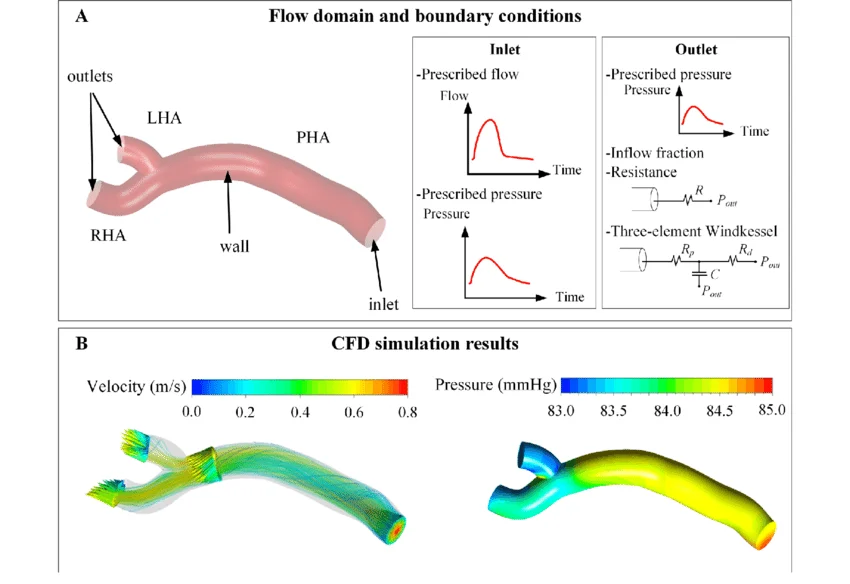
- Computational fluid dynamics (CFD) for biological flows
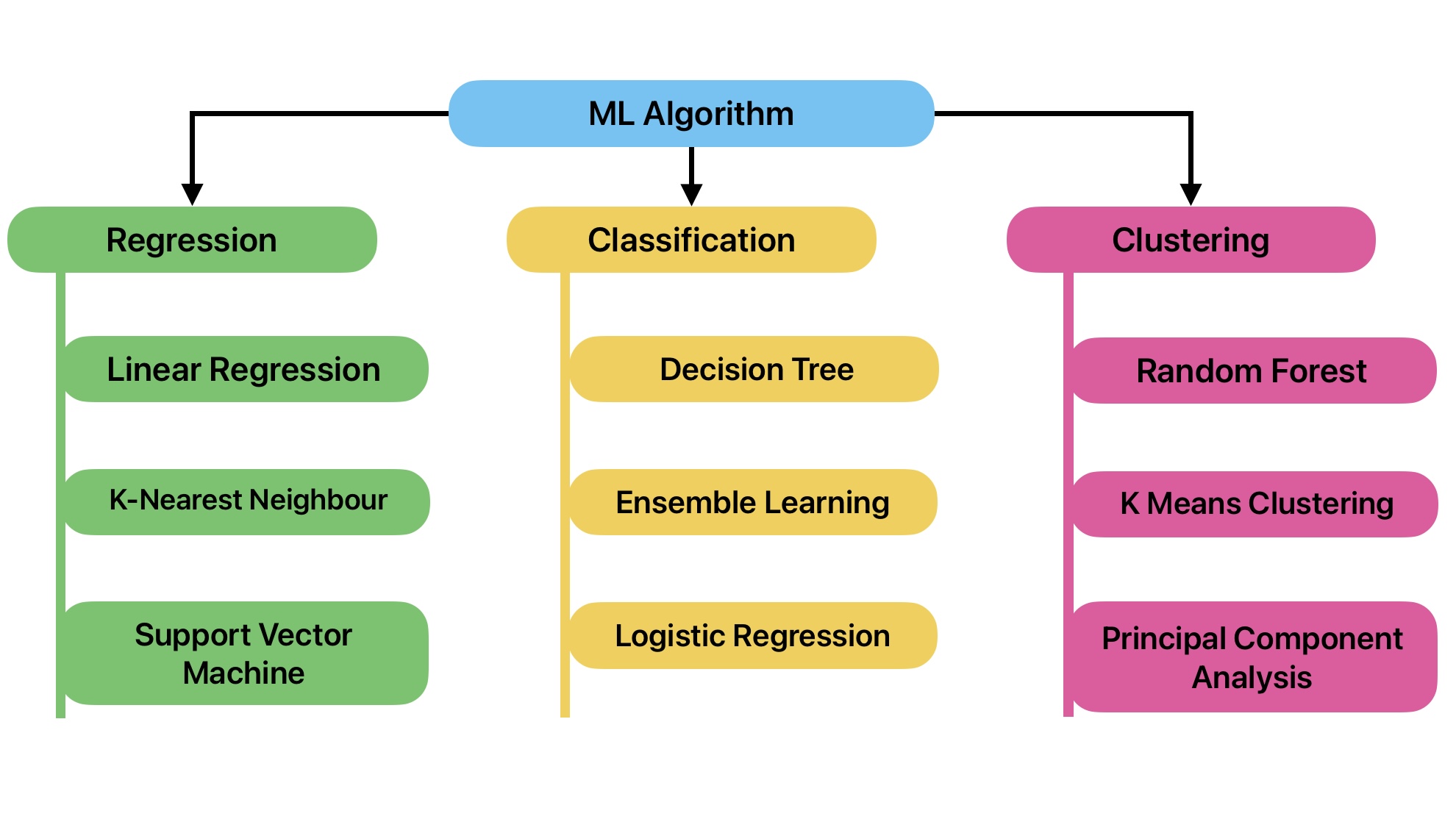
- Machine learning applications in biomechanics
- Multi-scale and multi-physics modeling
Examples & Applications
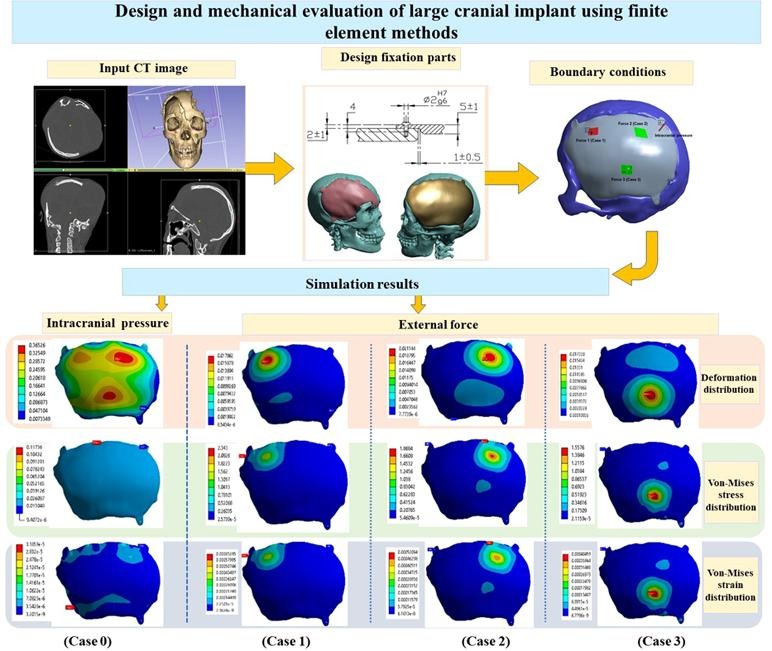
- Medical Device Design: Virtual prototyping and testing
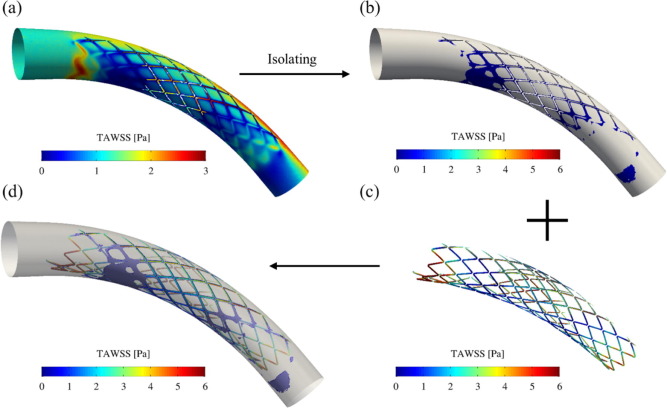
- Surgical Planning: Patient-specific computational models
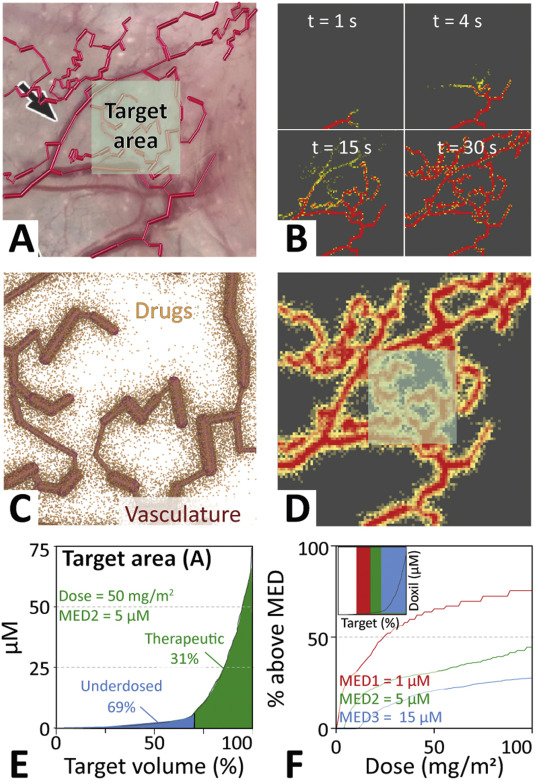
- Drug Delivery: Modeling transport and targeting mechanisms
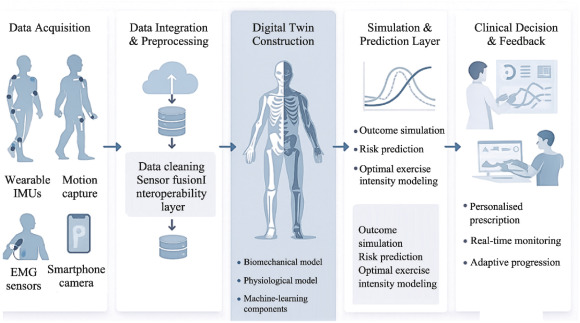
- Personalized Medicine: Individual biomechanical predictions
Primary Methods
- Finite element analysis software
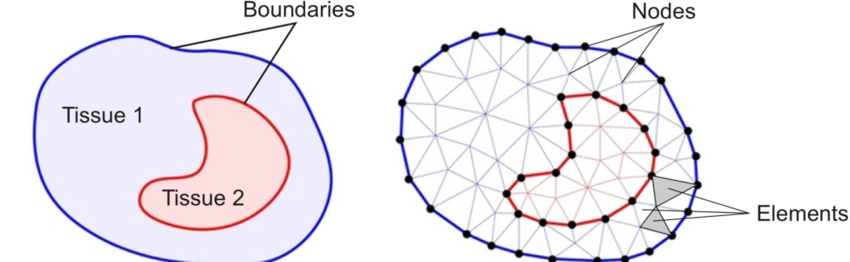
- Computational fluid dynamics simulations
- Machine learning algorithms
- High-performance computing platforms

10. Dental / Craniofacial Biomechanics
Dental / Craniofacial Biomechanics studies the mechanical behavior of teeth, jaw bones, and facial structures during function, growth, and treatment interventions.
- Domain Type: Biosolids
- System Perspective: Structural Properties
- Scale: Tissue, Organ
- Level of Maturity: Mature
Key Focus Areas
- Tooth structure and material properties
- Jaw joint (TMJ) mechanics and dysfunction
- Orthodontic force systems and tooth movement
- Facial bone stress distribution and remodeling
Examples & Applications
- Dentistry: Dental implant design and placement optimization
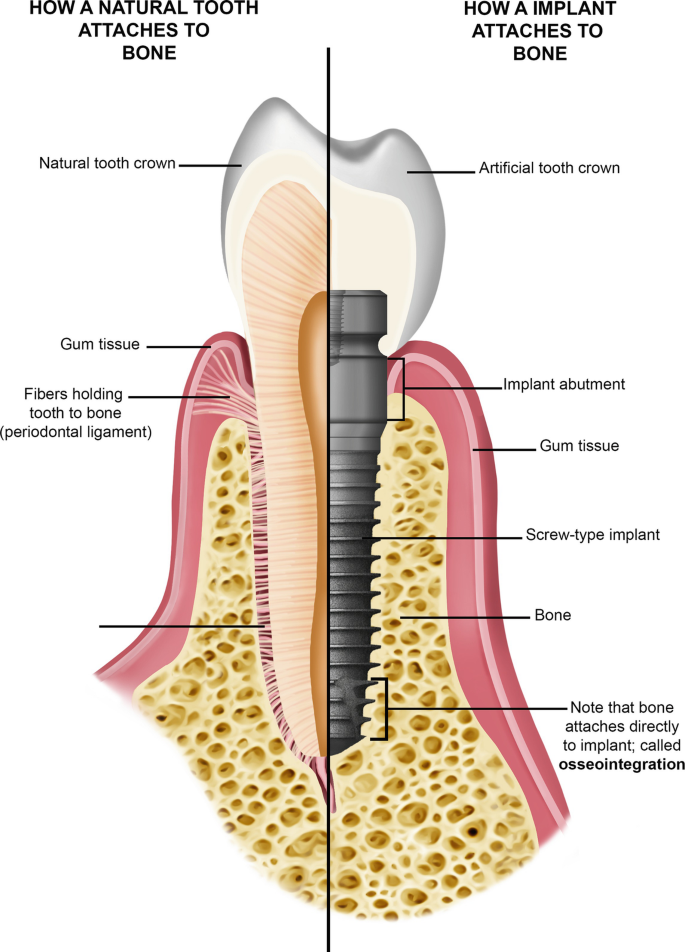
- Orthodontics: Braces and aligner treatment planning
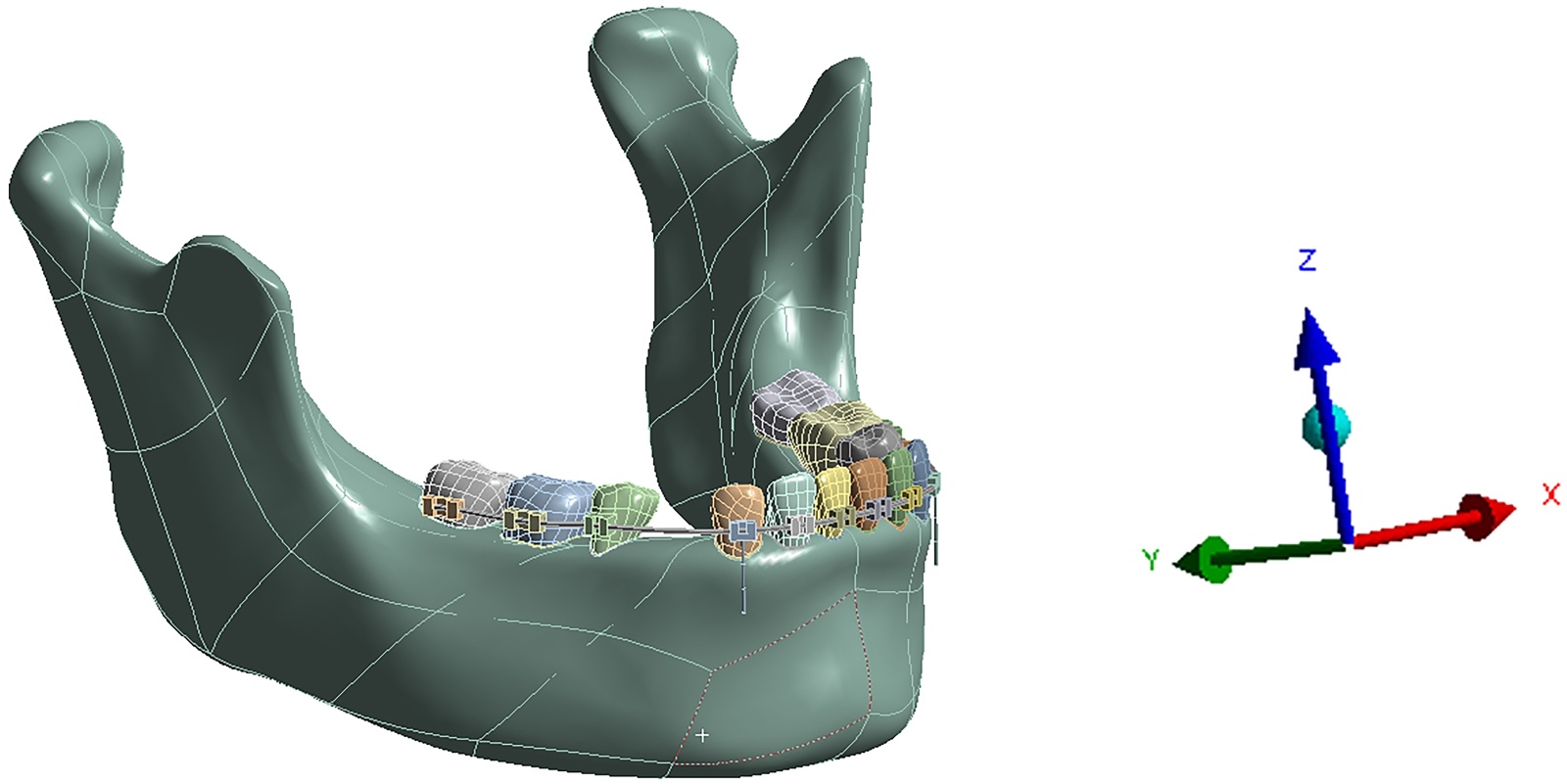
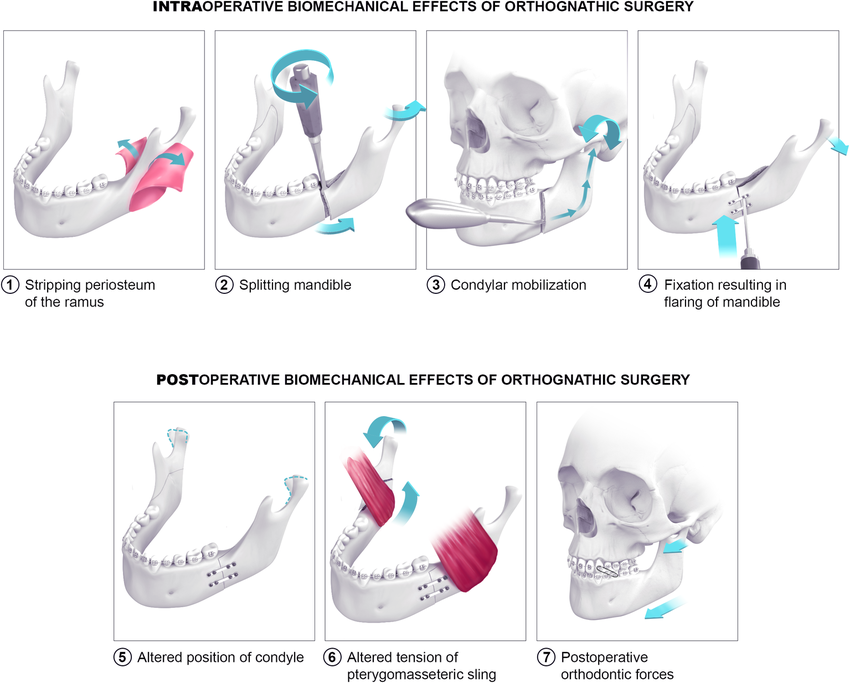
- Maxillofacial Surgery: Surgical correction of jaw deformities
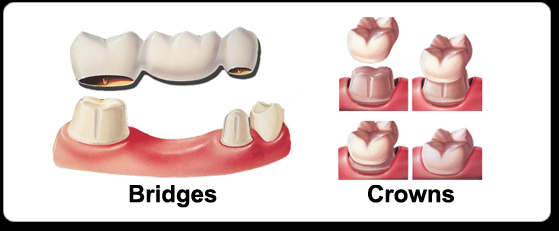
- Prosthodontics: Crown and bridge mechanical design
Primary Methods
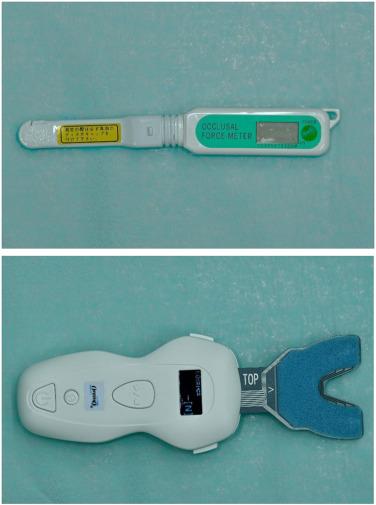
- Bite force measurement and analysis
- Finite element analysis of dental structures
- Strain gauge analysis of prosthetic devices
- 3D imaging and computational modeling
11. Developmental Biomechanics
Developmental Biomechanics examines how mechanical properties and functional capabilities of biological systems change throughout growth, development, and aging processes.
- Domain Type: Both
- System Perspective: Both
- Scale: Multiscale
- Level of Maturity: Emerging
Key Focus Areas
- Pediatric biomechanical development patterns
- Age-related changes in tissue properties
- Growth-related mechanical adaptations
- Geriatric biomechanical considerations
Examples & Applications
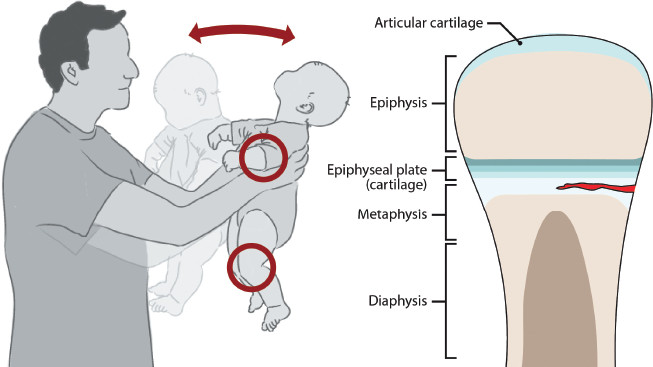
- Pediatrics: Understanding child-specific injury mechanisms
- Geriatrics: Fall prevention and age-related mobility issues
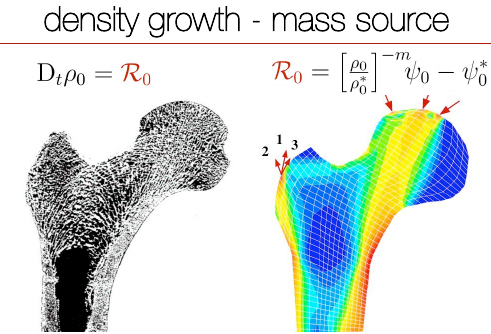
- Growth Mechanics: Mechanobiological modeling of tissue density and mass adaptation to mechanical loading
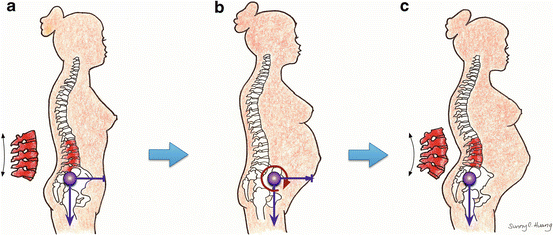
- Pregnancy Biomechanics: Musculoskeletal adaptations, gait changes, and balance control during gestational development
Primary Methods
- Longitudinal biomechanical studies
- Cross-sectional age-group comparisons
- Computational growth modeling
- Developmental imaging techniques
12. Ergonomics / Occupational Biomechanics
Ergonomics / Occupational Biomechanics studies human interaction with tools, workspaces, and tasks to optimize safety, efficiency, and reduce injury risk in occupational settings.
- Domain Type: Biosolids
- System Perspective: Functional Performance
- Scale: Whole-body
- Level of Maturity: Mature
Key Focus Areas
- Workplace injury prevention and analysis
- Tool and equipment design optimization
- Postural analysis and workspace layout
- Repetitive motion and cumulative trauma
Examples & Applications
- Manufacturing: Reducing musculoskeletal disorders
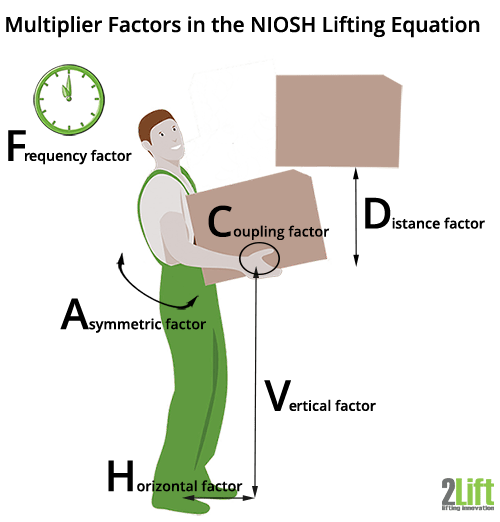
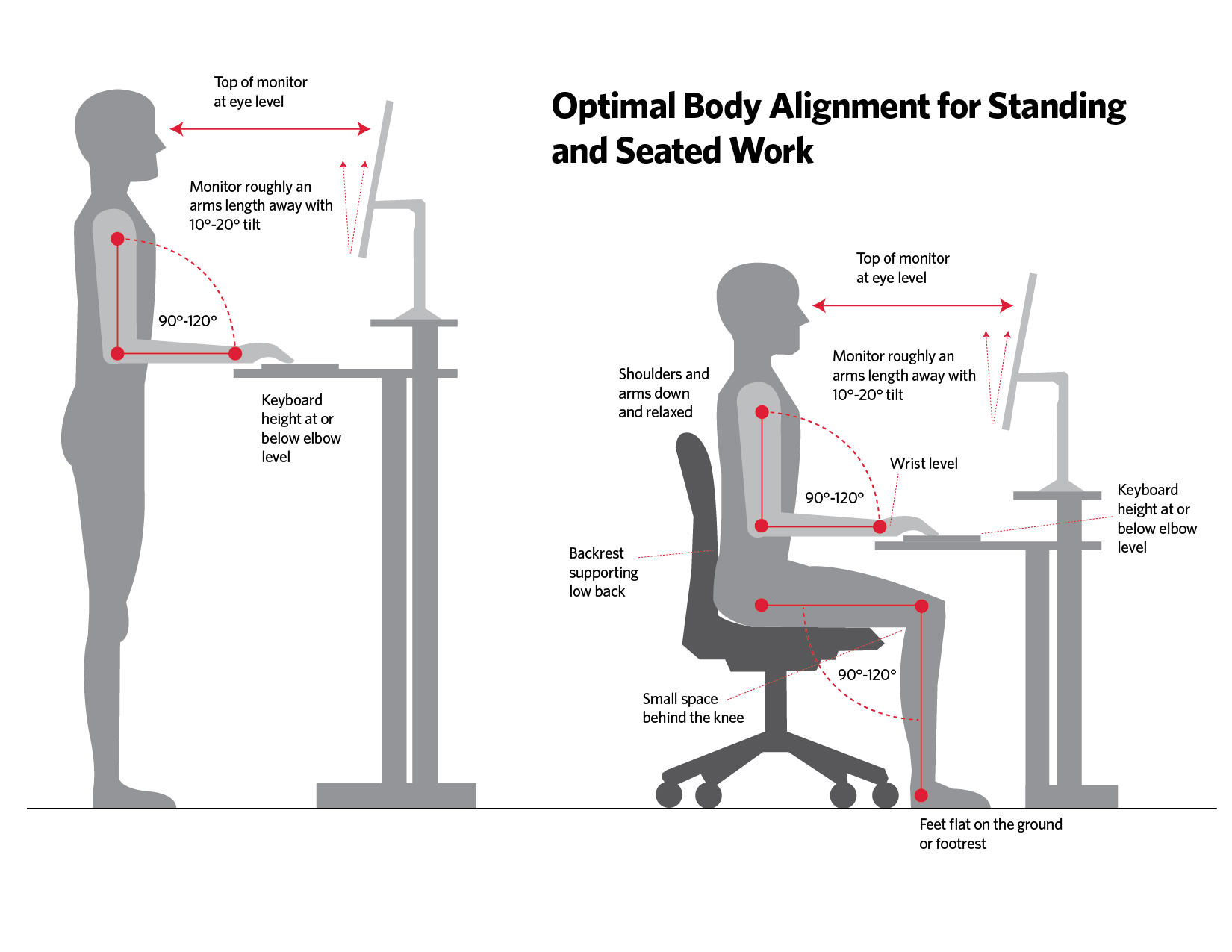
- Office Ergonomics: Computer workstation optimization
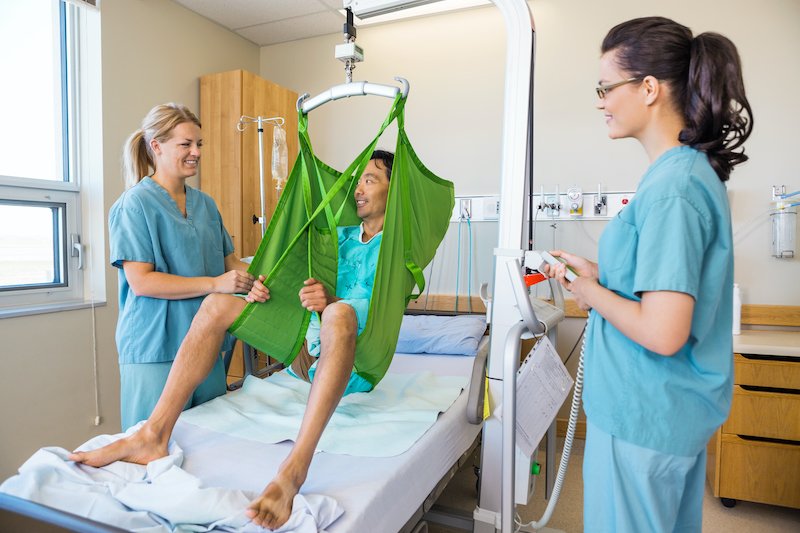
- Healthcare: Preventing caregiver injuries
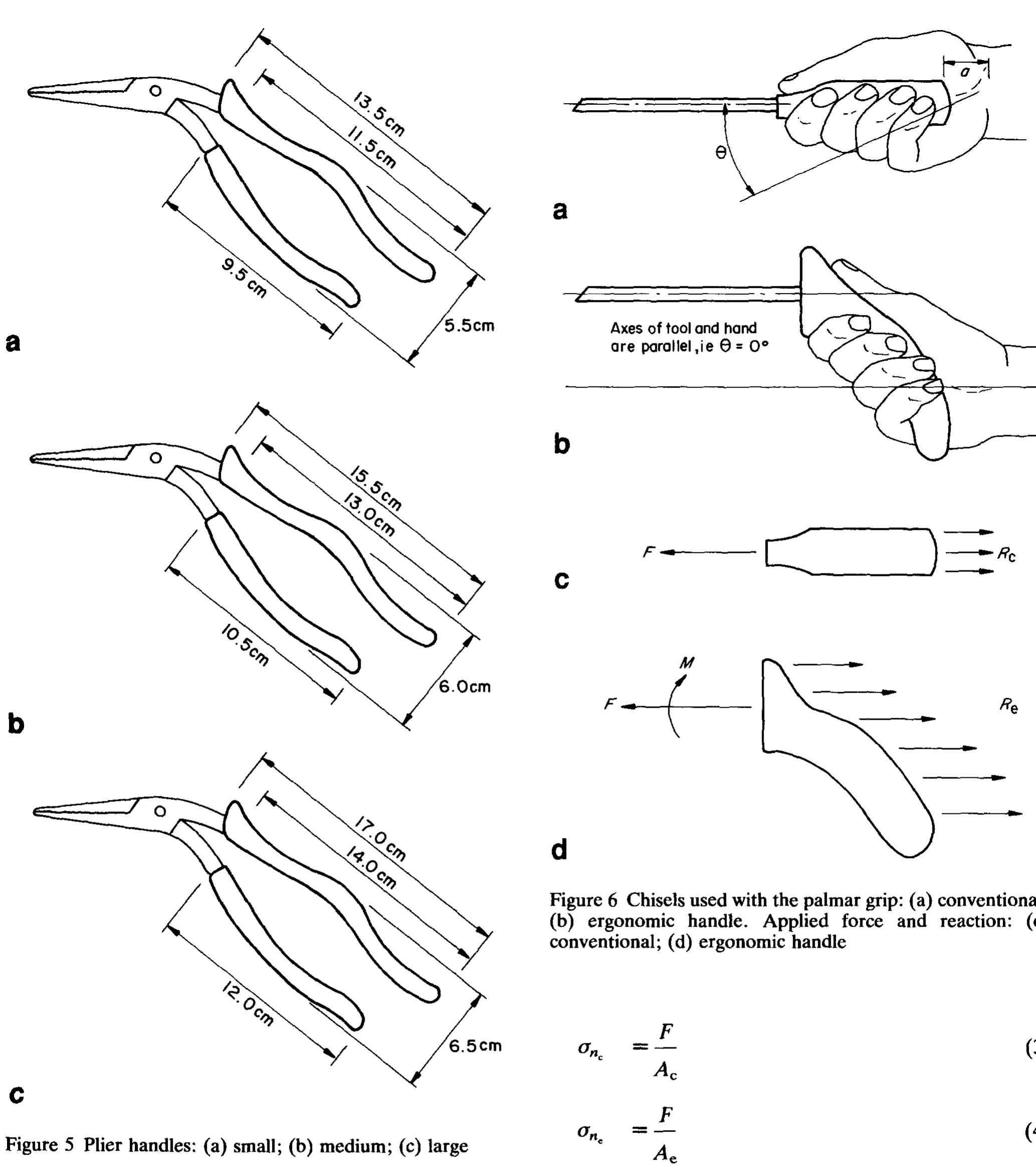
- Hand Tool Design: Ergonomic design of hand tools
Primary Methods
- Anthropometric measurements
- Force and motion analysis
- Electromyography (EMG) for muscle activity
- Risk assessment tools and checklists
13. Functional Capacity Evaluation
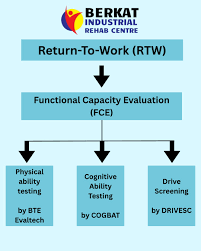
Functional Capacity Evaluation (FCE) is a comprehensive assessment method that measures an individual’s physical capability to perform specific tasks and activities, evaluating the match between worker abilities and job demands.
- Domain Type: Both
- System Perspective: Functional Performance
- Scale: Whole-body
- Level of Maturity: Mature
Key Focus Areas
- Physical work capacity assessment
- Job-specific task simulation and testing
- Return-to-work evaluations after injury
- Disability determination and accommodation needs
Examples & Applications
- Pre-employment Screening: Matching worker physical capacity to job demands
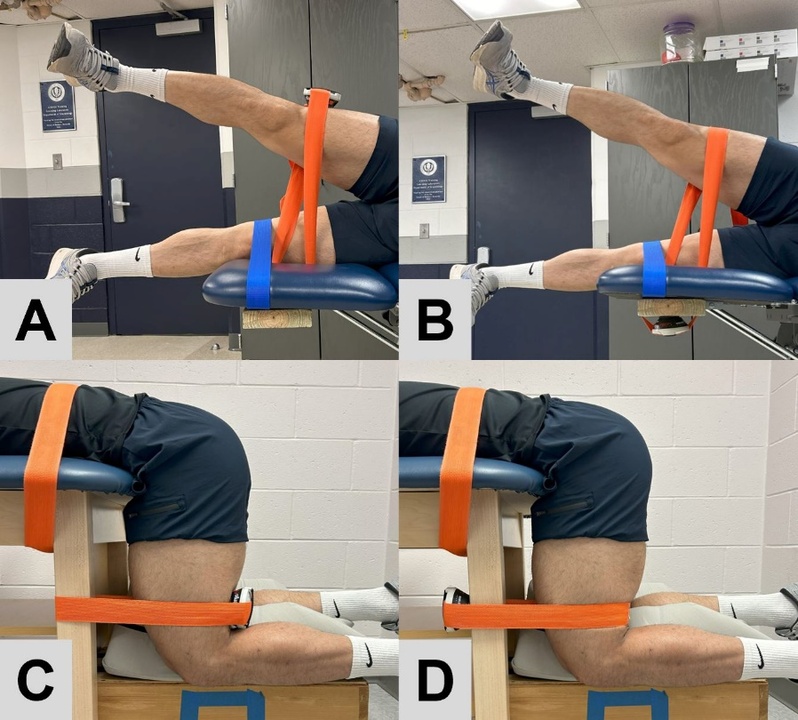
- Return-to-Work Evaluation: Post-injury capacity assessment for safe job reintegration
- Disability Determination: Objective impairment rating for legal/insurance purposes
- Aging & Independence: Evaluating older adults’ capacity for activities of daily living (ADLs) to determine assisted living needs
Primary Methods
- Dynamometry for strength and endurance testing
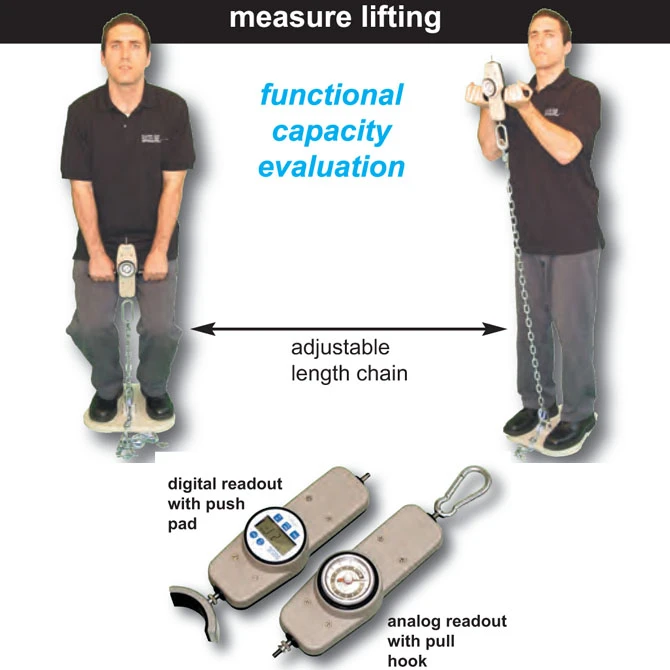
- Work simulation equipment and protocols
- Standardized functional testing batteries
- Cardiovascular and metabolic monitoring during tasks
14. Gait Analysis
Gait Analysis is the quantitative study of human locomotion mechanics, examining the patterns of movement, forces, and muscle activity during walking and running to assess normal and pathological gait.
- Domain Type: Biosolids
- System Perspective: Functional Performance
- Scale: Whole-body
- Level of Maturity: Mature
Key Focus Areas
- Kinematic analysis of joint motion and limb movement
- Kinetic analysis of ground reaction forces and joint moments
- Muscle activation patterns during locomotion
- Temporal and spatial gait parameters
Examples & Applications
- Rehabilitation: Stroke recovery and neurological disorder treatment
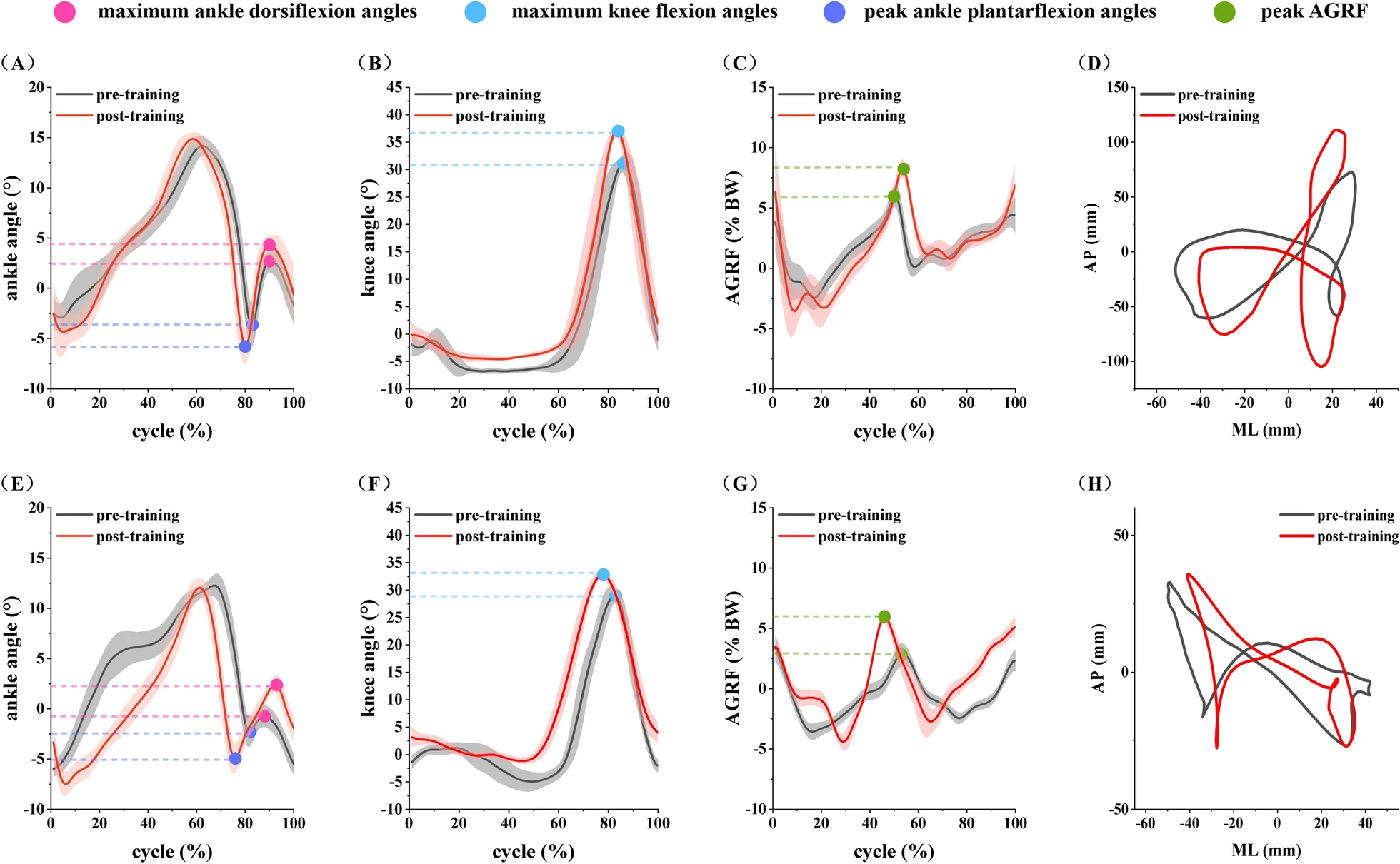
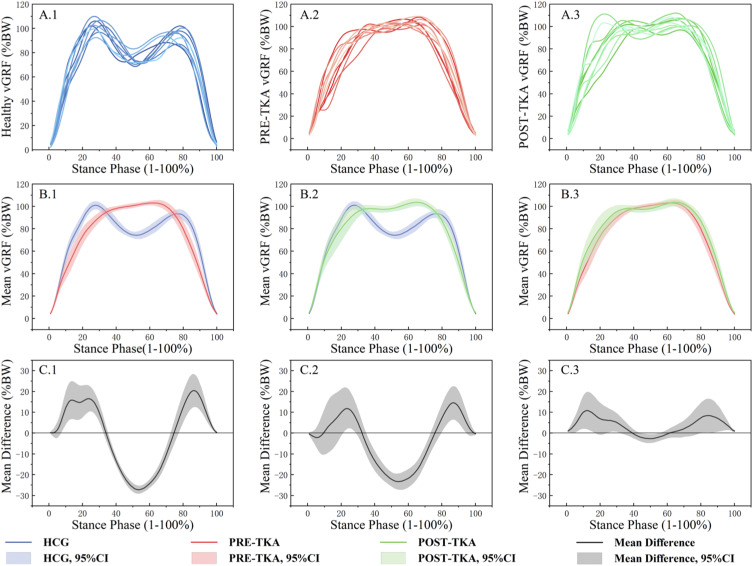
- Orthopedics: Pre/post-surgical gait assessment
- Sports Medicine: Performance optimization and injury prevention
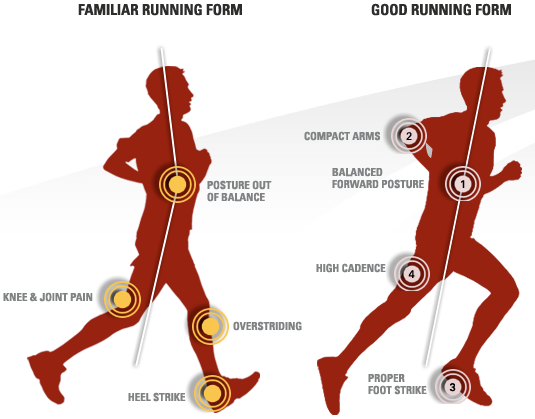
- Prosthetics: Artificial limb design and fitting evaluation
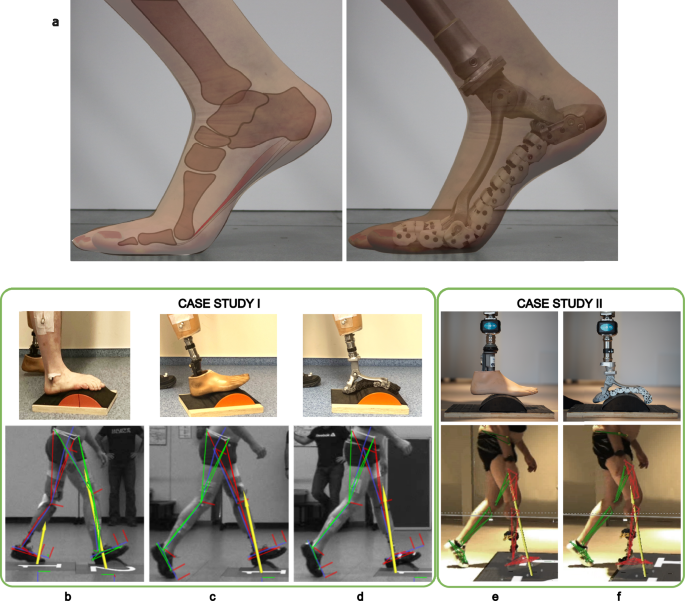
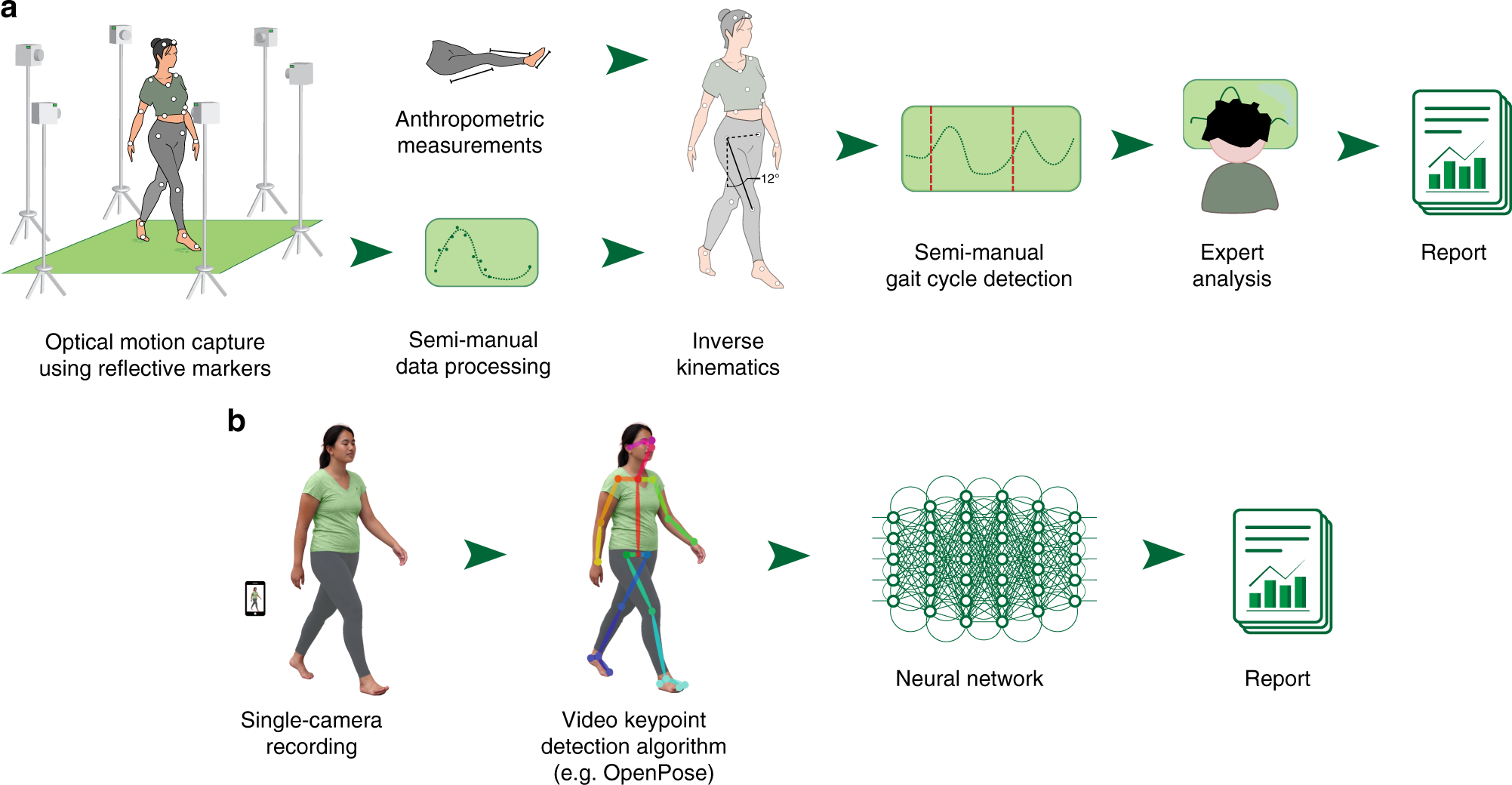
Primary Methods
- 3D motion capture systems with reflective markers
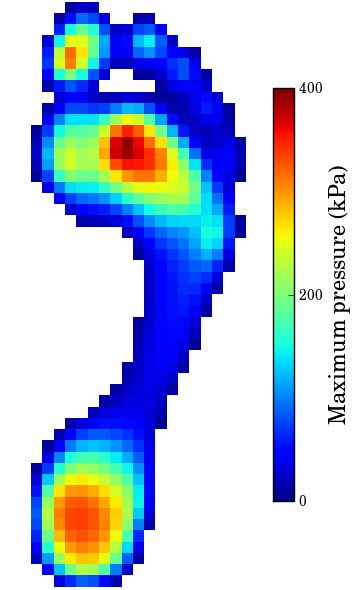
- Force plates for ground reaction force measurement
- Electromyography (EMG) for muscle activity recording
- Pressure-sensitive walkways and treadmill systems
15. Heart Biomechanics
Heart Biomechanics studies the mechanical properties and behavior of cardiac muscle, heart valves, and the overall cardiac structure, focusing on deformation, contractility, and pumping function.
- Domain Type: Biofluids
- System Perspective: Structural Properties
- Scale: Organ
- Level of Maturity: Mature
Key Focus Areas
- Myocardial mechanics and contractile function
- Heart valve mechanics and hemodynamics
- Cardiac tissue remodeling and adaptation
- Electromechanical coupling in cardiac function
Examples & Applications
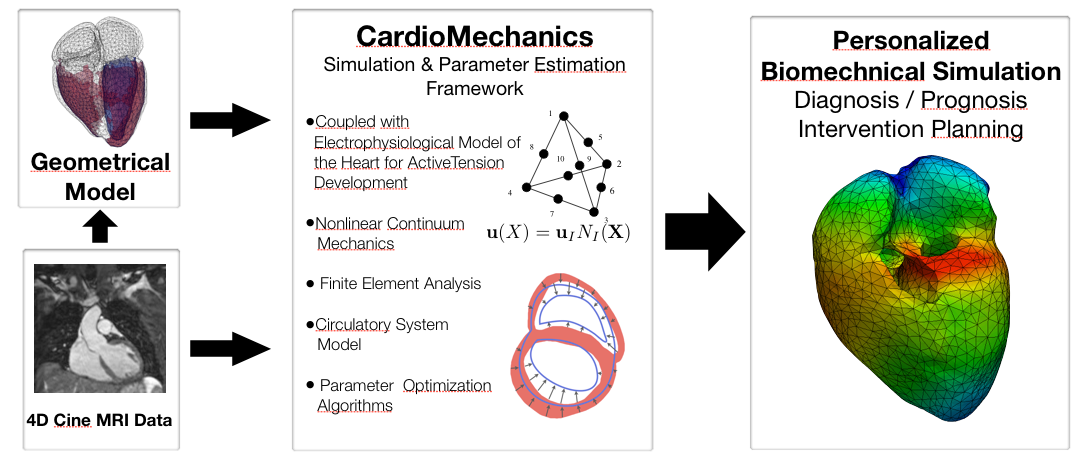
- Cardiology: Heart failure diagnosis and treatment planning
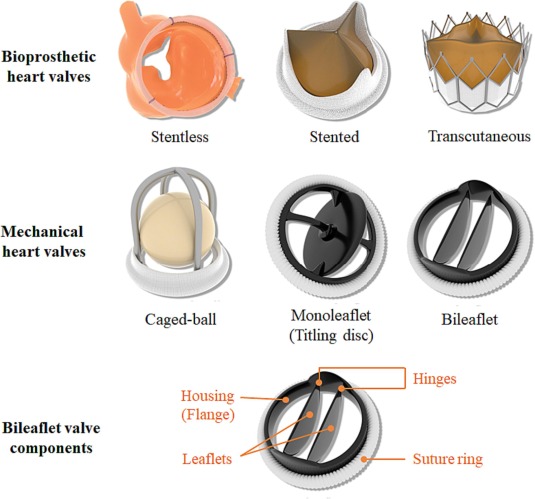
- Cardiac Surgery: Valve replacement and repair procedures
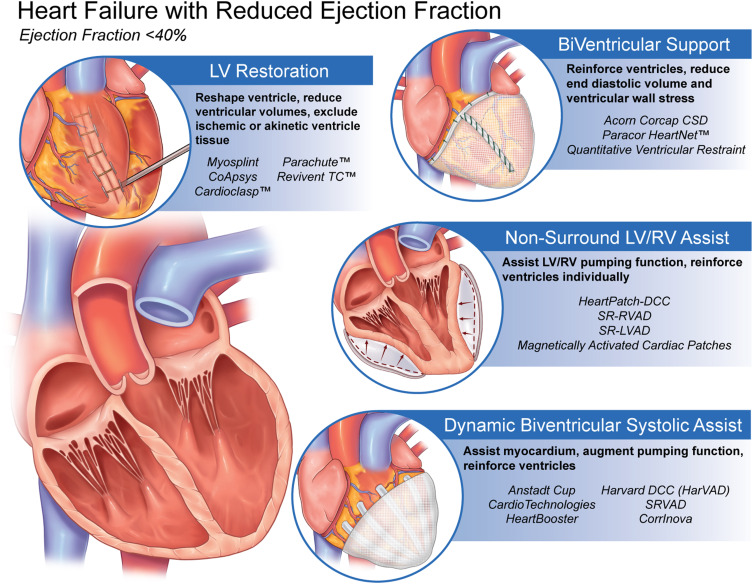
- Device Development: Artificial hearts and ventricular assist devices
Primary Methods
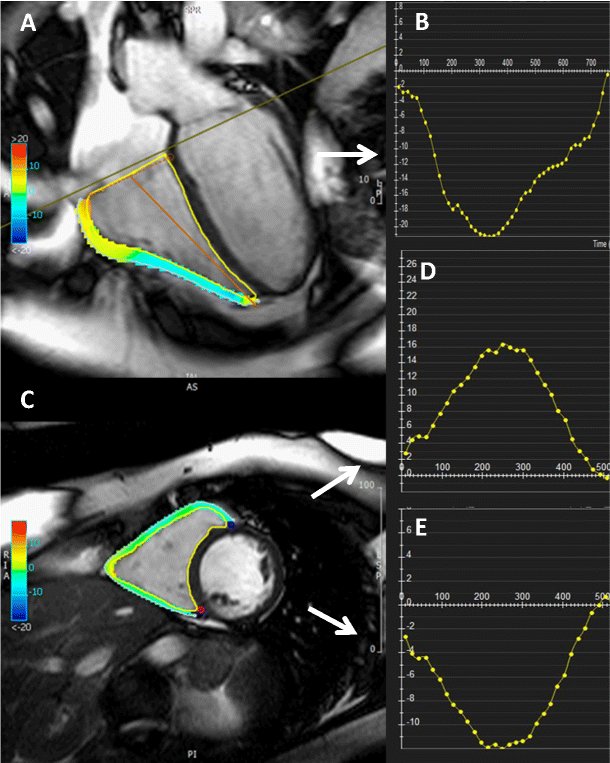
- Cardiac magnetic resonance imaging (MRI) with strain analysis
- Finite element analysis (FEA) of cardiac structures
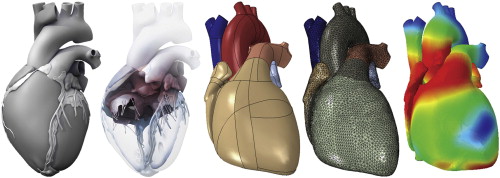
- Echocardiography for real-time cardiac mechanics
- Catheter-based pressure and volume measurements
16. Hemodynamics
Hemodynamics is the study of blood flow dynamics within the cardiovascular system, examining the physical principles governing blood circulation through arteries, veins, and capillaries.
- Domain Type: Biosolids
- System Perspective: Structural Properties
- Scale: Organ, System
- Level of Maturity: Mature
Key Focus Areas
- Blood flow patterns and velocity profiles
- Pressure gradients and vascular resistance
- Turbulence and flow disturbances
- Shear stress effects on vascular walls
Examples & Applications
- Cardiology: Coronary artery disease and stenosis assessment
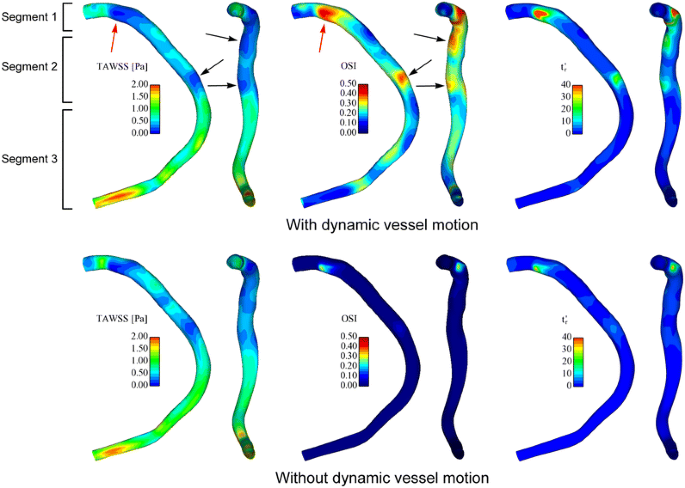
- Vascular Surgery: Aneurysm treatment and bypass surgery planning
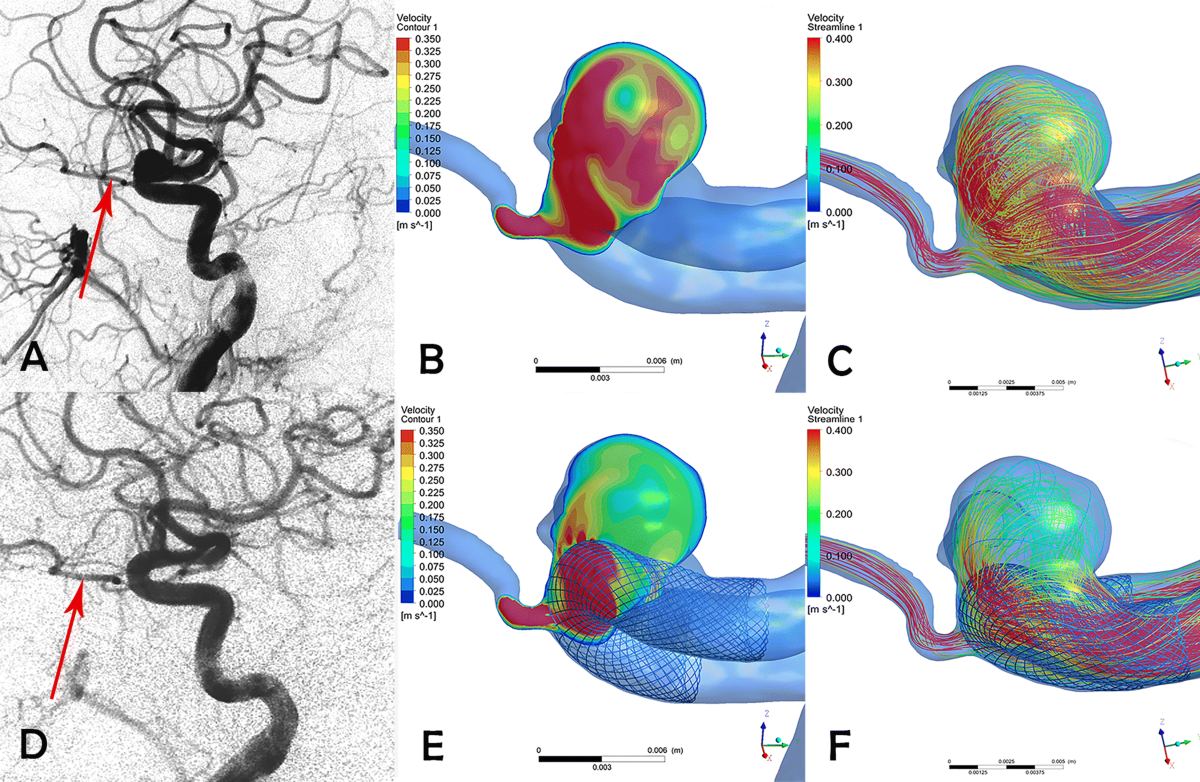
- Medical Device Design: Stents, grafts, and flow diverters
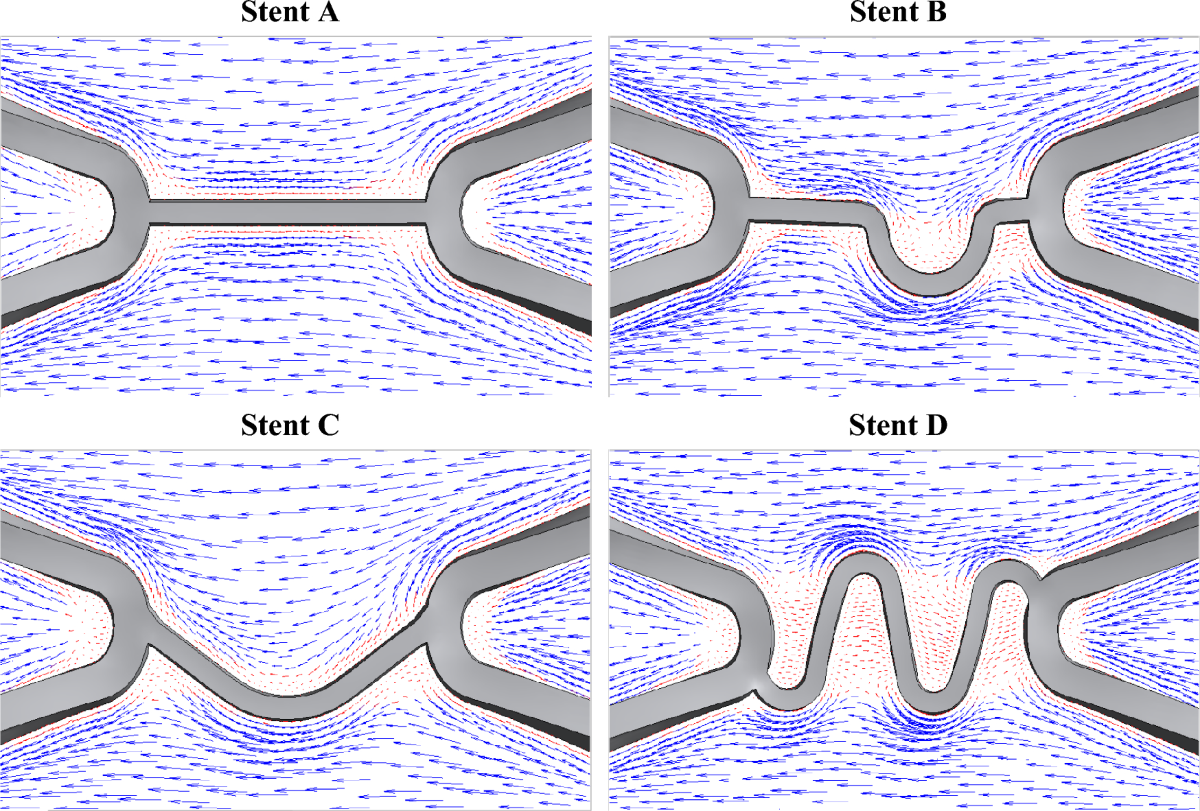
Primary Methods
- Computational fluid dynamics (CFD) modeling
- Doppler ultrasound imaging for flow visualization
- Particle image velocimetry (PIV) in experimental models
- Magnetic resonance imaging (MRI) flow quantification
17. Injury Biomechanics
Injury Biomechanics is the systematic study of how mechanical forces produce injury in biological tissues, establishing the causal chain from loading conditions to tissue damage. It provides the fundamental injury mechanisms, tolerance criteria, and analytical frameworks that underpin applied fields such as ergonomics, sports safety, and trauma science.
- Domain Type: Biosolids
- System Perspective: Structural Properties
- Scale: Tissue, Organ
- Level of Maturity: Mature
Key Focus Areas
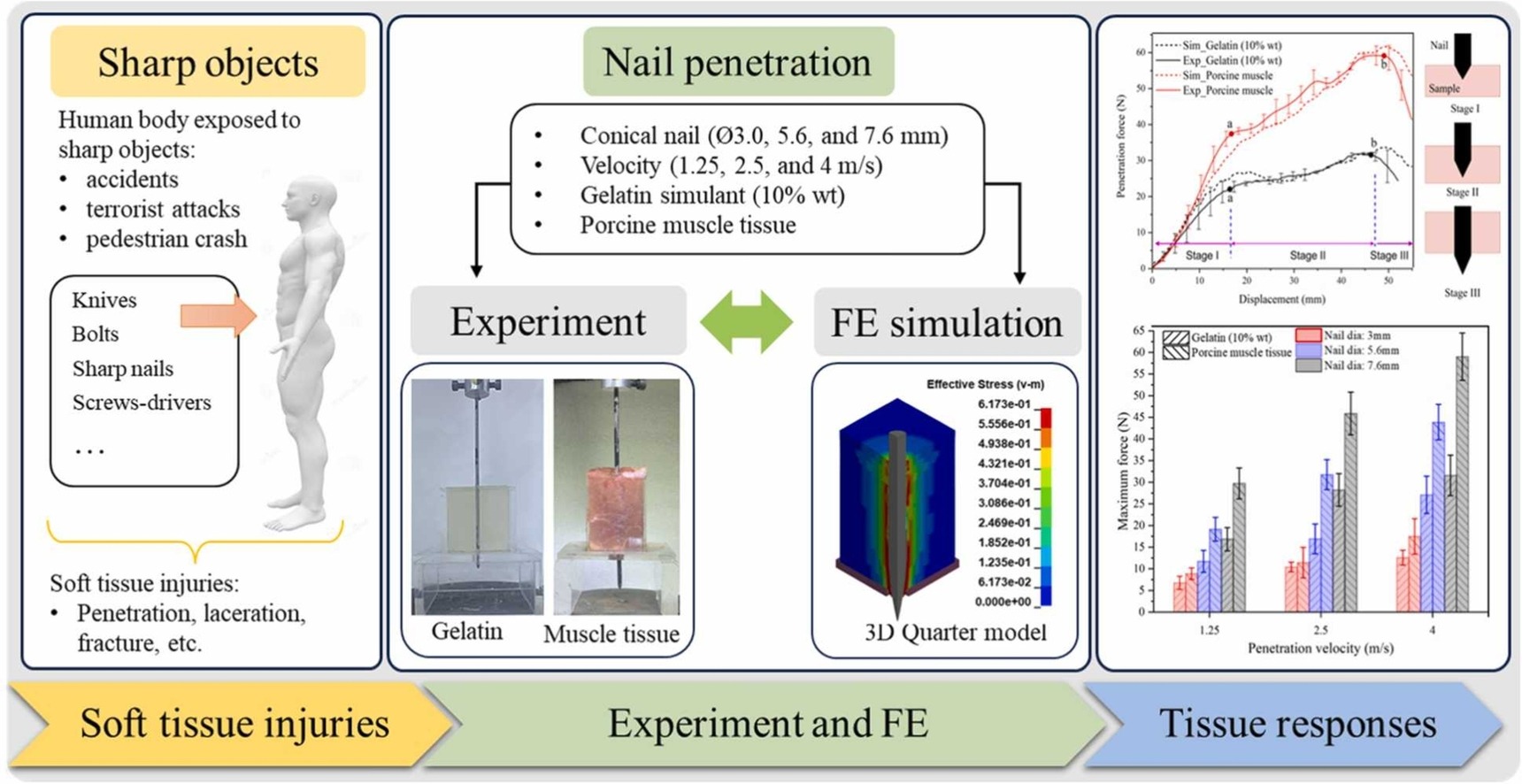
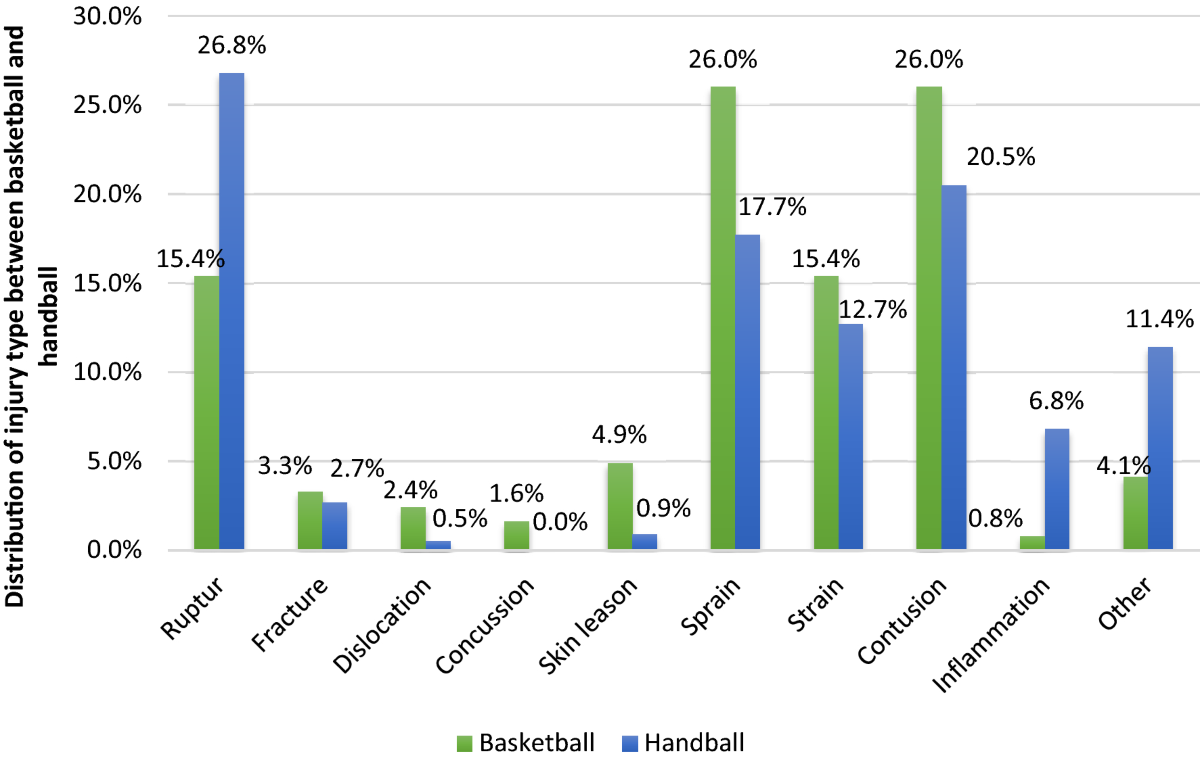
- Injury mechanisms and failure modes of biological tissues (tear, rupture, fracture, contusion)
- Tissue-level tolerance limits and injury risk curves
- Load-injury causation pathways and dose-response relationships
- Injury scaling across populations (age, sex, anthropometry)
Examples & Applications
- Tissue Tolerance Research: Establishing failure thresholds for ligaments, tendons, bone, and neural tissue under controlled loading
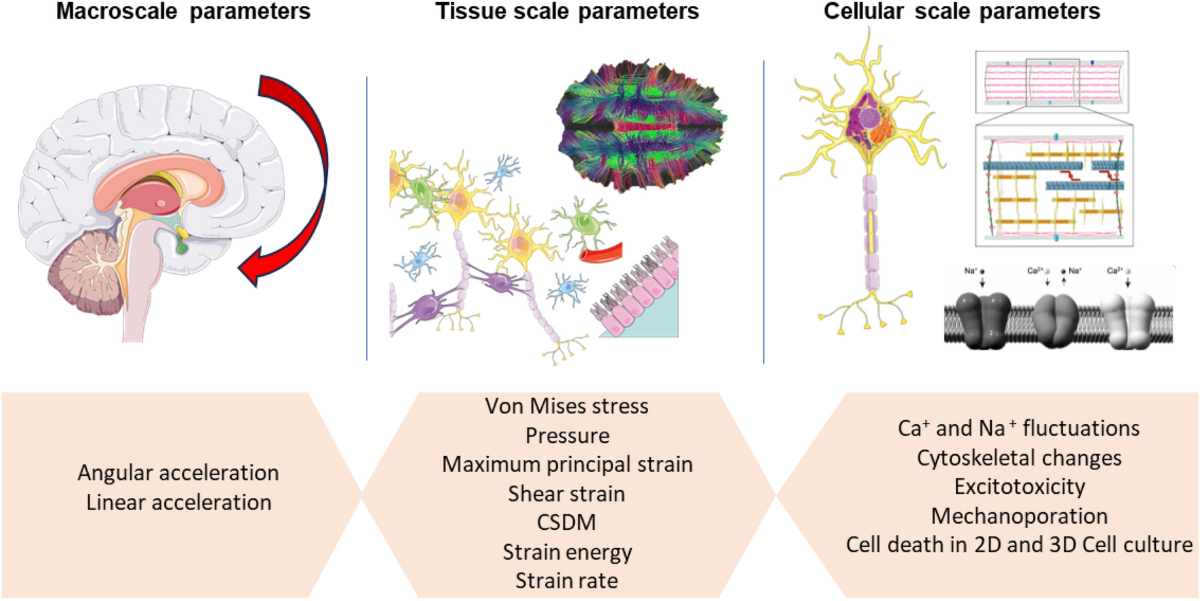
- Multi-Scale Injury Modeling: Connecting organ-level loads to tissue-level damage to cellular failure
Primary Methods
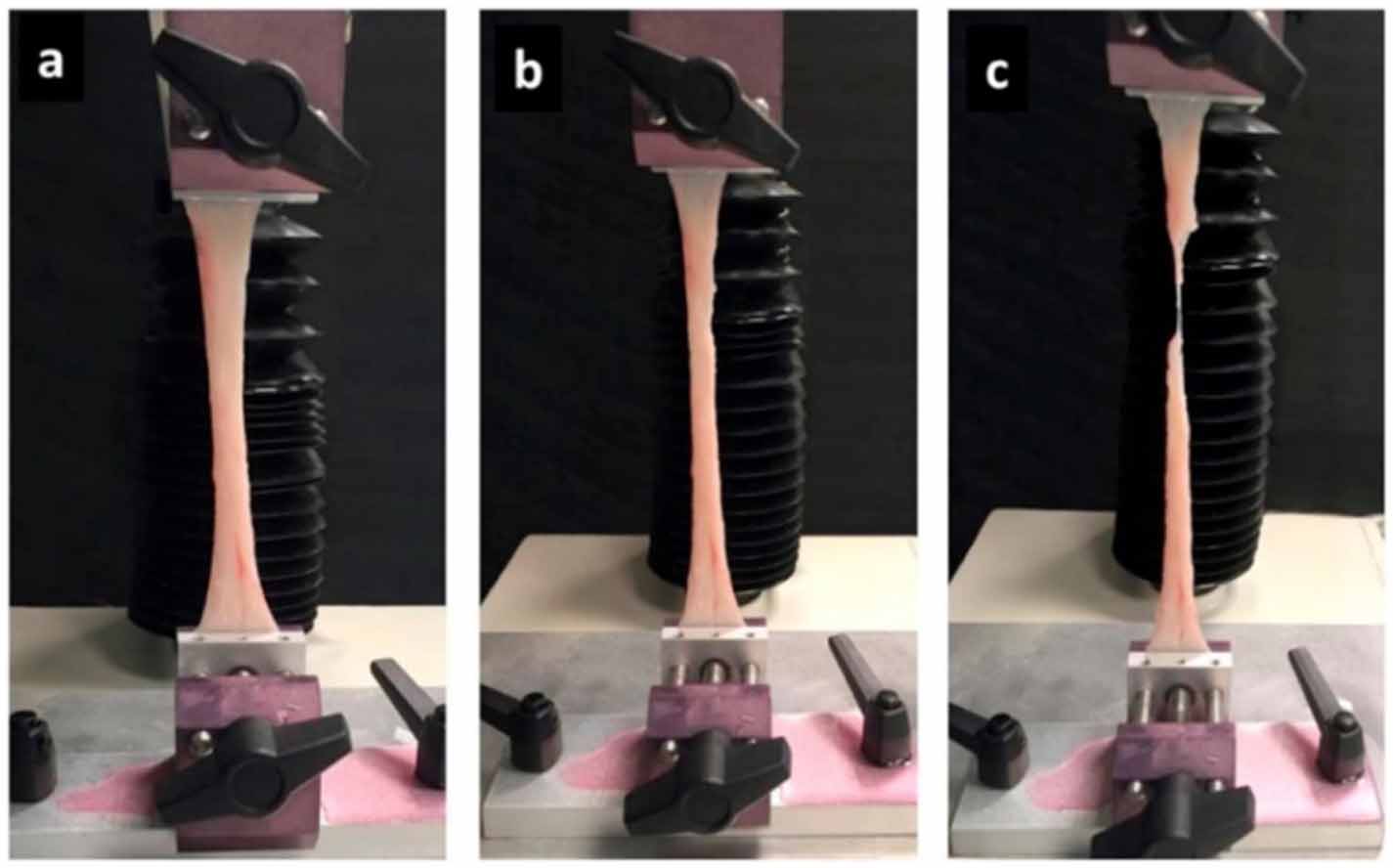
- Controlled tissue and whole-joint failure testing
- Finite element injury reconstruction and stress analysis
- Controlled cadaveric studies for mechanism identification
- Injury epidemiology and statistical risk modeling
18. Joint Biomechanics
Joint Biomechanics studies the mechanical behavior of load-bearing joints, including the interaction between cartilage, meniscus, ligaments, and bone structures, focusing on how these tissues distribute forces and enable movement.
- Domain Type: Biosolids
- System Perspective: Both
- Scale: Organ
- Level of Maturity: Mature
Key Focus Areas
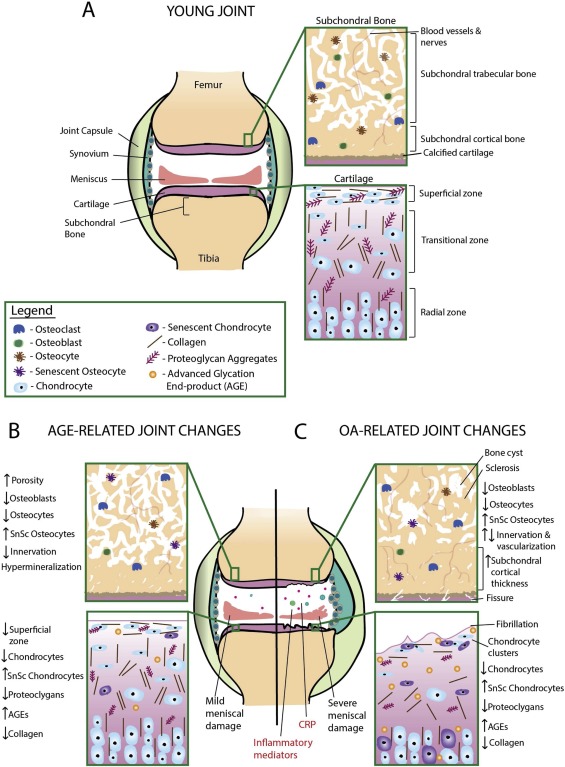
- Cartilage mechanics and lubrication mechanisms
- Ligament and tendon stress-strain behavior
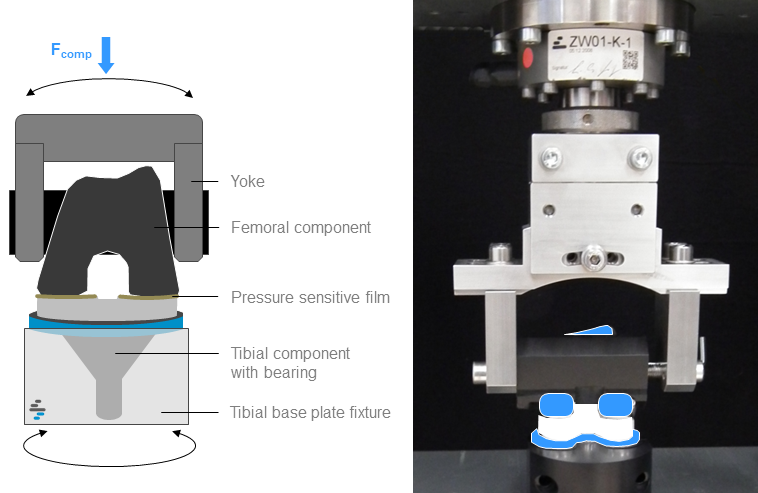
- Joint contact forces and pressure distribution
- Wear patterns and degenerative joint disease
Examples & Applications
- Orthopedics: Total joint replacement design and optimization
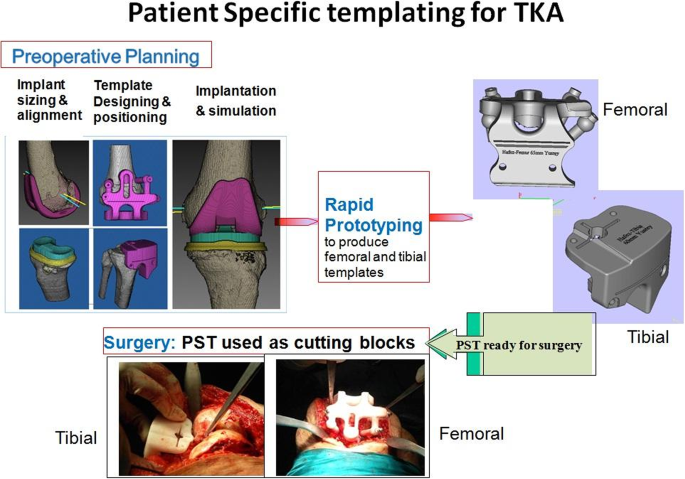
- Rehabilitation: Post-surgical recovery and movement restoration
- Sports Medicine: Injury prevention and performance enhancement
- Aging Research: Understanding age-related joint deterioration
Primary Methods
- Finite element joint modeling and simulation
- 3D motion capture for joint kinematics analysis
- Arthroscopic visualization and mechanical testing
- Pressure-sensitive film for contact stress measurement
19. Kidney and Urinary Mechanics
Kidney and Urinary Mechanics examines the pressure and flow dynamics within the urinary system, including renal filtration, urine transport, and the mechanical properties of urinary tract structures.
- Domain Type: Biofluids
- System Perspective: Structural Properties
- Scale: Organ
- Level of Maturity: Emerging
Key Focus Areas
- Glomerular filtration mechanics and pressure regulation
- Ureteral peristalsis and urine transport
- Bladder mechanics and micturition physiology
- Renal vascular hemodynamics
Examples & Applications
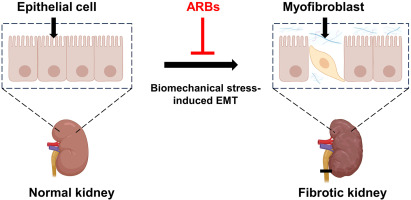
- Nephrology: Kidney disease diagnosis and treatment
- Urology: Kidney stone treatment and urinary obstruction
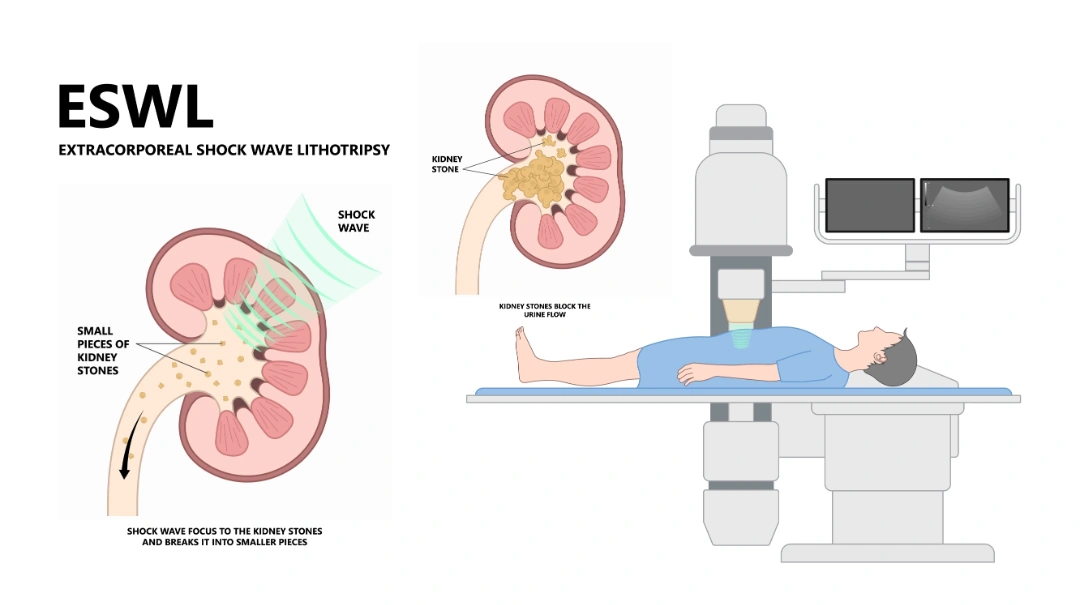
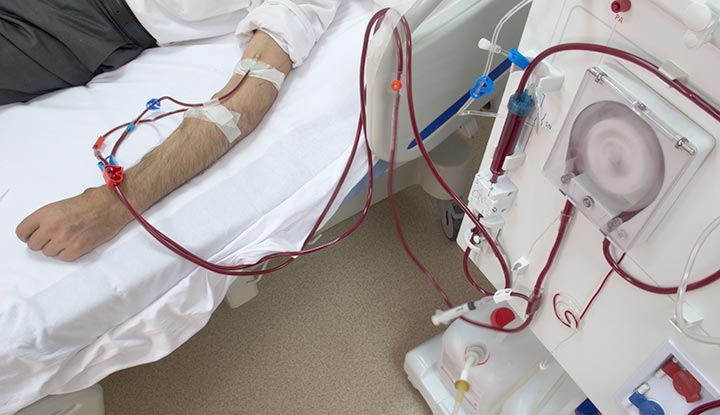
- Medical Device Design: Dialysis systems and urinary catheters
Primary Methods
- Pressure-flow testing and urodynamic studies
- Computational fluid dynamics (CFD) modeling
- Ultrasound imaging for flow visualization
20. Lymphatic System Mechanics
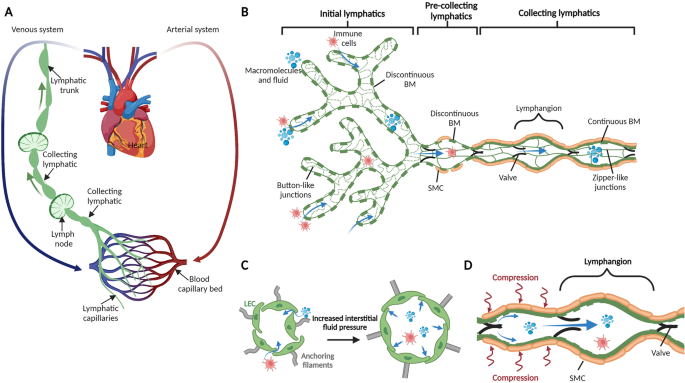
Lymphatic System Mechanics studies the biomechanical aspects of lymph flow, lymphatic vessel contractility, and the transport mechanisms that maintain fluid balance and immune function.
- Domain Type: Biofluids
- System Perspective: Structural Properties
- Scale: Tissue, Organ
- Level of Maturity: Emerging
Key Focus Areas
- Lymphatic vessel contractility and pumping mechanisms
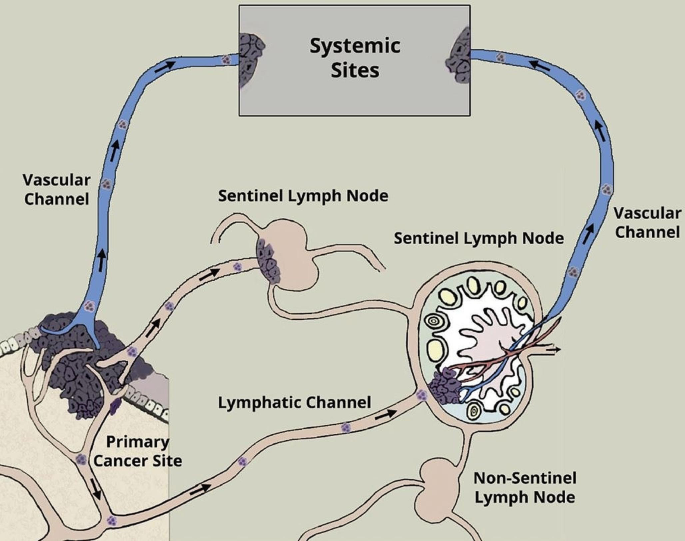
- Lymph flow patterns and drainage pathways
- Valvular function and flow regulation
- Interstitial fluid dynamics and collection
Examples & Applications
- Immunology: Understanding immune cell transport and activation
- Oncology: Cancer metastasis and lymphatic spread
- Regenerative Medicine: Lymphatic system reconstruction
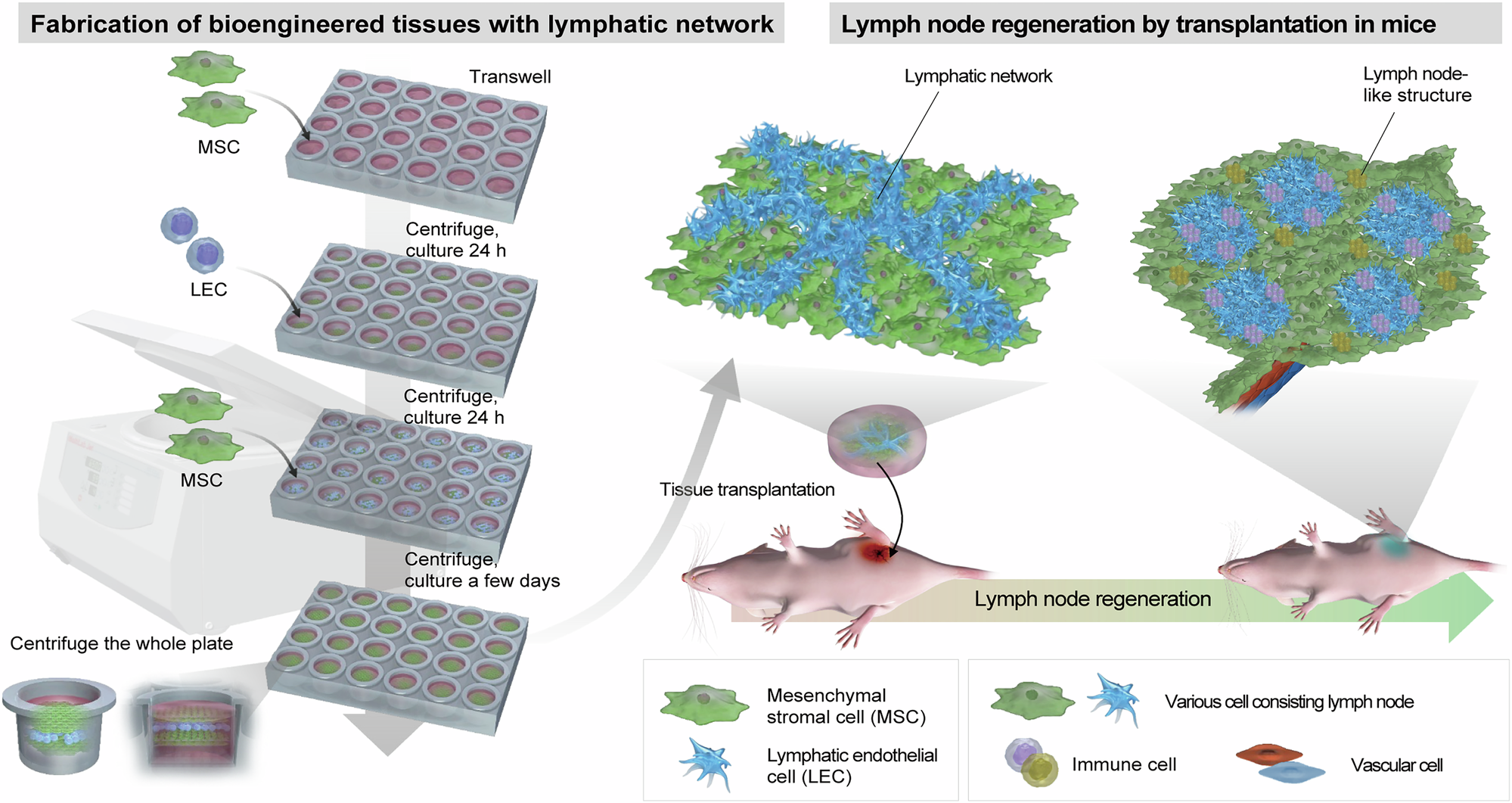
Primary Methods
- Flow modeling and computational simulation
- Fluorescence imaging and Lymphoscintigraphy for lymphatic visualization
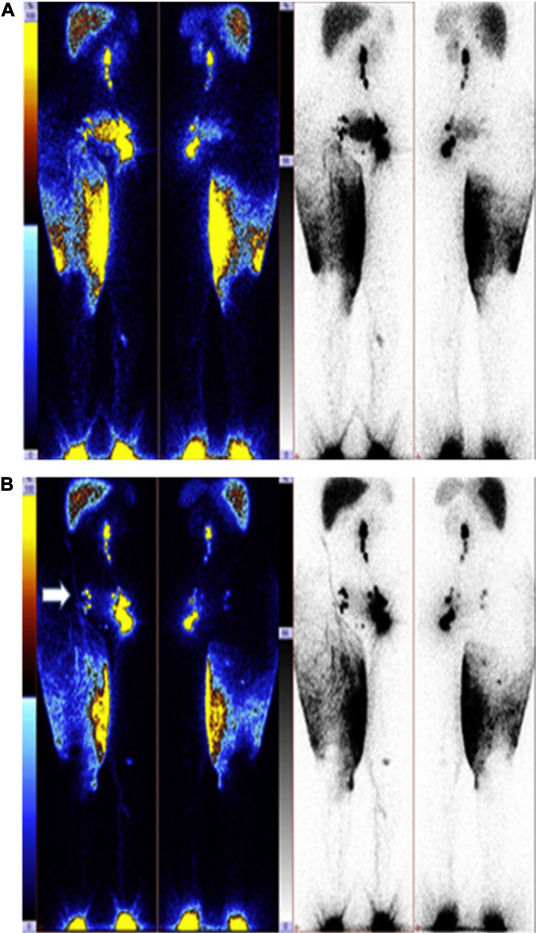
- Pressure measurement in lymphatic vessels
- Contractility studies in isolated lymphatic vessels
21. Material Modeling
Material Modeling involves the development of constitutive equations and mathematical descriptions that characterize the mechanical behavior of biological tissues, both soft and hard, under various loading conditions.
- Domain Type: Both
- System Perspective: Structural Properties
- Scale: Tissue
- Level of Maturity: Mature
Key Focus Areas
- Constitutive modeling of soft tissue
- Hard tissue mechanics and bone modeling
- Anisotropic material behavior and fiber reinforcement
- Damage and failure criteria for biological materials
Examples & Applications
Finite Element Modeling: Accurate tissue representation in simulations
Medical Device Design: Material selection and compatibility
Surgical Planning: Predicting tissue response to interventions
Tissue Engineering: Scaffold design and optimization
Primary Methods
- Creep and stress relaxation testing
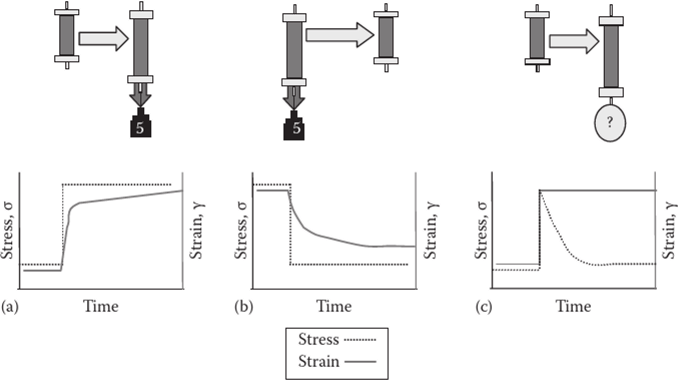
- Cyclic loading and fatigue analysis
- Multi-axial testing for complex loading states
- Parameter identification and model validation
22. Mechanobiology
Mechanobiology studies how mechanical forces regulate biological processes, examining the mechanisms by which cells sense, respond to, and generate mechanical stimuli at the molecular and cellular levels.
- Domain Type: Biosolids
- System Perspective: Structural Properties
- Scale: Molecular, Cellular
- Level of Maturity: Emerging
Key Focus Areas
- Mechanotransduction pathways and signaling
- Cell-matrix interactions and force transmission
- Mechanical regulation of gene expression
- Tissue adaptation and remodeling responses
Examples & Applications
- Stem Cell Engineering: Controlling differentiation through mechanical cues
- Regenerative Medicine: Tissue engineering and wound healing
- Cancer Research: Mechanical factors in tumor progression
- Bone Biology: Mechanical loading and bone remodeling
Primary Methods
- Microfluidics for controlled mechanical stimulation
- Traction force microscopy for cellular force measurement
- Atomic force microscopy for single-cell mechanics
- Mechanosensitive fluorescent reporters
23. Microcirculation
Microcirculation examines the hemodynamic behavior at the capillary level, studying blood flow through the smallest vessels of the circulatory system where nutrient and gas exchange occurs.
- Domain Type: Biofluids
- System Perspective: Structural Properties
- Scale: Tissue
- Level of Maturity: Emerging
Key Focus Areas
- Capillary flow dynamics and regulation
- Red blood cell deformation and transport
- Endothelial cell mechanics and barrier function
- Oxygen and nutrient transport mechanisms
Examples & Applications
- Vascular Biology: Understanding microvascular disease
- Diabetes Research: Diabetic microangiopathy and complications
- Drug Delivery: Targeted therapeutic delivery to tissues
- Wound Healing: Angiogenesis and tissue repair
Primary Methods
- Micro-particle image velocimetry (micro-PIV)
- Intravital microscopy for real-time visualization
- Computational modeling of microvascular networks
- Fluorescence recovery after photobleaching (FRAP)
24. Molecular Biomechanics
Molecular Biomechanics investigates the force-response behavior of individual biomolecules such as proteins, DNA, and RNA, examining how mechanical forces affect molecular structure and function.
- Domain Type: Biosolids
- System Perspective: Structural Properties
- Scale: Molecular
- Level of Maturity: Emerging
Key Focus Areas
- Protein folding and unfolding under mechanical stress
- DNA mechanics and replication forces
- Molecular motor function and mechanochemistry
- Force-induced conformational changes
Examples & Applications
- Biophysics: Understanding fundamental molecular processes
- Drug Discovery: Mechanically-sensitive therapeutic targets
- Nanotechnology: Bio-inspired molecular machines
- Genetic Engineering: Mechanical aspects of gene regulation
Primary Methods
- Single-molecule force spectroscopy techniques
- Optical and magnetic tweezers for force application
- Atomic force microscopy at molecular resolution
- Molecular dynamics simulations
25. Movement and Posture Control
Movement and Posture Control studies the biomechanical principles underlying stability and coordination of voluntary and reflexive motion, examining how the nervous system maintains balance and controls complex movements.
- Domain Type: Biosolids
- System Perspective: Functional Performance
- Scale: System
- Level of Maturity: Mature
Key Focus Areas
- Postural stability and balance control mechanisms
- Motor coordination and movement planning
- Reflexive responses and automatic postural adjustments
- Sensory integration for movement control
Examples & Applications
- Neurology: Parkinson’s disease and movement disorders
- Rehabilitation: Fall prevention and balance training
- Sports Performance: Athletic coordination and skill development
- Aging Research: Age-related changes in postural control
Primary Methods
- Electromyography (EMG) for muscle activation analysis
- Inertial sensors and accelerometers for movement tracking
- Force plates for center of pressure measurement
- Motion capture systems for kinematic analysis
26. Neural Biomechanics
Neural Biomechanics investigates the mechanical response of neural tissues including the brain, spinal cord, and peripheral nerves to deformation, trauma, and mechanical loading conditions.
- Domain Type: Biosolids
- System Perspective: Structural Properties
- Scale: Tissue, Organ
- Level of Maturity: Emerging
Key Focus Areas
- Brain tissue mechanics and traumatic brain injury
- Spinal cord biomechanics and injury mechanisms
- Peripheral nerve mechanics and regeneration
- Mechanical properties of neural tissue constituents
Examples & Applications
- Neuroscience: Understanding neural tissue function and pathology
- Traumatic Brain Injury Research: Injury mechanisms and prevention
- Neurosurgery: Surgical planning and tissue handling
- Neuroprosthetics: Neural interface design and biocompatibility
Primary Methods
- Finite element analysis (FEA) of neural structures
- Diffusion tensor imaging (DTI) for tissue microstructure
- Mechanical testing of neural tissue samples
- Computational modeling of injury mechanisms
27. Neuromuscular Coordination
Neuromuscular Coordination examines the control and synchronization of muscle activity by the nervous system, focusing on how neural signals coordinate complex movements and maintain motor function.
- Domain Type: Biosolids
- System Perspective: Functional Performance
- Scale: System
- Level of Maturity: Mature
Key Focus Areas
- Motor unit recruitment and firing patterns
- Intermuscular coordination and synergies
- Neural control of muscle force and timing
- Adaptive mechanisms in motor learning
Examples & Applications
- Motor Control Research: Understanding movement disorders
- Rehabilitation: Stroke recovery and motor relearning
- Sports Science: Optimizing athletic performance
- Prosthetics: Neural control of artificial limbs
Primary Methods
- Surface and intramuscular electromyography (EMG)
- Computational modeling of neuromuscular systems
- Nerve stimulation and reflex testing
- Muscle force measurement during controlled tasks
28. Ocular Biomechanics
Ocular Biomechanics studies the mechanical properties of eye structures, including corneal stiffness, intraocular pressure dynamics, and retinal mechanics, focusing on how mechanical factors affect vision and eye health.
- Domain Type: Both
- System Perspective: Structural Properties
- Scale: Organ
- Level of Maturity: Emerging
Key Focus Areas
- Corneal biomechanics and refractive properties
- Intraocular pressure regulation and glaucoma
- Retinal mechanics and detachment mechanisms
- Scleral remodeling and myopia progression
Examples & Applications
- Ophthalmology: Glaucoma diagnosis and treatment
- Refractive Surgery: LASIK and corneal reshaping procedures
- Contact Lens Design: Optimizing lens-eye interactions
- Retinal Surgery: Understanding retinal detachment and repair
Primary Methods
- Tonometry for intraocular pressure measurement
- Corneal topography and biomechanical analysis
- Finite element analysis of eye structures
- Optical coherence tomography (OCT) for tissue imaging
29. Orthosis and Prosthesis
Orthosis and Prosthesis biomechanics focuses on the design, function, and biomechanical interaction of assistive devices and replacement systems for limbs or joints, optimizing human-device integration.
- Domain Type: Biosolids
- System Perspective: Functional Performance
- Scale: System
- Level of Maturity: Mature
Key Focus Areas
- Prosthetic limb mechanics and control systems
- Orthotic device design and joint support
- Human-device interface biomechanics
- Gait analysis with assistive devices
Examples & Applications
- Prosthetics: Artificial limb design and fitting
- Rehabilitation: Functional restoration and mobility enhancement
- Orthotics: Spinal braces and joint support systems
- Sports Medicine: Performance enhancement devices
Primary Methods
- 3D motion analysis for device performance assessment
- Computer-aided design (CAD) for custom device creation
- Pressure mapping at device-body interfaces
- Electromyography for muscle activity monitoring
30. Plant Biomechanics
Plant Biomechanics investigates the mechanical properties and behavior of plant tissues and structures, providing insights for biomimetic design applications and agricultural optimization.
- Domain Type: Both
- System Perspective: Structural Properties
- Scale: Tissue, Organ
- Level of Maturity: Niche
Key Focus Areas
- Structural mechanics of stems, leaves, and roots
- Growth mechanics and morphogenesis
- Wind resistance and structural adaptation
- Water transport and turgor pressure mechanics
Examples & Applications
- Botany: Understanding plant structure-function relationships
- Biomimetic Design: Nature-inspired engineering solutions
- Agriculture: Crop breeding for mechanical properties
- Architecture: Bio-inspired building materials and structures
Primary Methods
- Tensile and compression testing of plant tissues
- High-resolution imaging of plant microstructure
- Finite element modeling of plant mechanics
- Environmental loading simulation studies
31. Rehabilitation Engineering
Rehabilitation Engineering applies biomechanical principles to design systems and devices that restore physical function, focusing on technologies that help individuals with disabilities achieve greater independence and mobility.
- Domain Type: Biosolids
- System Perspective: Functional Performance
- Scale: System
- Level of Maturity: Mature
Key Focus Areas
- Assistive technology design and development
- Functional electrical stimulation systems
- Mobility aids and wheelchair biomechanics
- Therapeutic exercise equipment and protocols
Examples & Applications
- Rehabilitation Medicine: Recovery from stroke and spinal cord injury
- Assistive Technology: Mobility aids and communication devices
- Therapeutic Devices: Exercise equipment and functional trainers
- Accessibility Design: Barrier-free environments and universal design
Primary Methods
- Motion capture for functional assessment
- Electromyography (EMG) for muscle activation monitoring
- Wearable sensors for continuous monitoring
- User testing and human factors evaluation
32. Reproductive Biomechanics
Reproductive Biomechanics studies the mechanical aspects of pregnancy, childbirth, and reproductive organ function, examining how mechanical forces affect reproductive health and outcomes.
- Domain Type: Both
- System Perspective: Functional Performance
- Scale: Organ
- Level of Maturity: Emerging
Key Focus Areas
- Pelvic floor mechanics and support structures
- Uterine contractions and labor mechanics
- Fetal development and mechanical environment
- Cervical mechanics and pregnancy complications
Examples & Applications
- Obstetrics: Understanding labor and delivery complications
- Urogynecology: Pelvic organ prolapse and incontinence
- Fertility Research: Mechanical factors in conception
- Maternal Health: Pregnancy-related musculoskeletal disorders
Primary Methods
- Pressure measurement during labor and delivery
- Ultrasound imaging for fetal and maternal assessment
- Finite element modeling of pelvic structures
- Mechanical testing of reproductive tissue samples
33. Respiratory System Mechanics
Respiratory System Mechanics studies the mechanical aspects of breathing, including airflow dynamics, lung tissue deformation, and the biomechanical processes that govern ventilation and gas exchange.
- Domain Type: Biofluids
- System Perspective: Functional Performance
- Scale: Organ, System
- Level of Maturity: Mature
Key Focus Areas
- Pulmonary mechanics and breathing patterns
- Airway resistance and flow dynamics
- Lung tissue elasticity and compliance
- Respiratory muscle mechanics and coordination
Examples & Applications
- Pulmonology: Chronic obstructive pulmonary disease (COPD) and asthma
- Intensive Care Medicine: Mechanical ventilation optimization
- Respiratory Therapy: Breathing exercise and rehabilitation
- Medical Device Design: Ventilators and respiratory support systems
Primary Methods
- Ventilation modeling and computational fluid dynamics
- Spirometry for lung function assessment
- Pressure-volume measurements during breathing
- High-resolution computed tomography (HRCT) imaging
34. Rheology
Rheology examines the flow and deformation behavior of biological fluids, studying how these materials respond to applied stresses and strains under various conditions.
- Domain Type: Biofluids
- System Perspective: Structural Properties
- Scale: Multiscale
- Level of Maturity: Mature
Key Focus Areas
- Viscosity and shear-thinning behavior of biological fluids
- Viscoelastic properties of complex biological materials
- Flow behavior under different shear rates and temperatures
- Non-Newtonian fluid mechanics in biological systems
Examples & Applications
- Blood Science: Blood viscosity and cardiovascular disease
- Food Science: Texture and processing of biological materials
- Pharmaceutical Development: Drug formulation and delivery
- Diagnostic Medicine: Rheological biomarkers for disease
Primary Methods
- Rotational and oscillatory shear rheometers
- Capillary viscometry for flow characterization
- Microfluidic devices for small-sample rheology
- Dynamic mechanical analysis (DMA) for viscoelastic properties
35. Robotic Surgery
Robotic Surgery applies robotics and biomechanical principles to enhance surgical precision, control, and outcomes through computer-assisted surgical systems and minimally invasive techniques.
- Domain Type: Both
- System Perspective: Functional Performance
- Scale: System
- Level of Maturity: Mature
Key Focus Areas
- Robotic system kinematics and control
- Haptic feedback and force sensing
- Surgical instrument design and mechanics
- Human-robot interaction in surgical environments
Examples & Applications
- Surgical Robotics: Da Vinci surgical systems and similar platforms
- Minimally Invasive Surgery: Laparoscopic and endoscopic procedures
- Microsurgery: Precision procedures requiring enhanced dexterity
- Remote Surgery: Telesurgery and telepresence systems
Primary Methods
- Robot kinematics analysis and modeling
- Real-time imaging and navigation systems
- Force feedback and haptic interface design
- Surgical outcome assessment and performance metrics
36. Skin Biomechanics
Skin Biomechanics studies the mechanical properties of skin tissue, including deformation, viscoelasticity, and healing processes, with applications in dermatology, cosmetics, and surgical planning.
- Domain Type: Biosolids
- System Perspective: Structural Properties
- Scale: Tissue
- Level of Maturity: Mature
Key Focus Areas
- Skin elasticity and viscoelastic behavior
- Wound healing mechanics and scar formation
- Age-related changes in skin mechanical properties
- Skin-device interface mechanics
Examples & Applications
- Dermatology: Skin disease diagnosis and treatment
- Cosmetic Industry: Anti-aging product development
- Plastic Surgery: Surgical planning and tissue expansion
- Wound Care: Dressing design and healing optimization
Primary Methods
- Indentation testing for skin stiffness measurement
- Uniaxial and biaxial stretch testing
- Suction-based elasticity measurements
- Optical coherence tomography for structural analysis
37. Soft Robotics Biomechanics
Soft Robotics Biomechanics develops bioinspired actuators and systems that mimic the mechanics of soft biological tissues, creating flexible and adaptive robotic solutions.
- Domain Type: Both
- System Perspective: Functional Performance
- Scale: System
- Level of Maturity: Emerging
Key Focus Areas
- Soft actuator design and materials
- Biomimetic locomotion and manipulation
- Compliant mechanisms and flexible joints
- Human-robot interaction safety
Examples & Applications
- Wearable Technology: Soft exoskeletons and assistive devices
- Assistive Technology: Rehabilitation robots and mobility aids
- Medical Devices: Soft surgical instruments and implants
- Prosthetics: Compliant and adaptive prosthetic limbs
Primary Methods
- Soft actuator design and fabrication
- Computational modeling of soft materials
- Biomimetic system testing and validation
- Human factors evaluation and usability testing
38. Speech and Swallowing Biomechanics
Speech and Swallowing Biomechanics examines the mechanical aspects of oral and pharyngeal structures during speech production and deglutition, focusing on coordination and dysfunction.
- Domain Type: Biosolids
- System Perspective: Functional Performance
- Scale: Organ
- Level of Maturity: Emerging
Key Focus Areas
- Vocal tract mechanics and sound production
- Swallowing coordination and safety mechanisms
- Tongue and jaw biomechanics during function
- Respiratory-phonatory coordination
Examples & Applications
- Speech Therapy: Treatment of speech and swallowing disorders
- Rehabilitation: Post-stroke communication and swallowing recovery
- Otolaryngology: Surgical planning for voice and swallowing
- Geriatrics: Age-related changes in speech and swallowing
Primary Methods
- Ultrasound imaging for real-time tissue visualization
- Electromyography (EMG) for muscle activity monitoring
- Videofluoroscopy for swallowing assessment
- Acoustic analysis for speech production evaluation
39. Sport Biomechanics
Sport Biomechanics analyzes the mechanical aspects of human movement in athletic contexts, examining motion patterns, force production, and performance optimization in sports activities.
- Domain Type: Biosolids
- System Perspective: Functional Performance
- Scale: Whole-body
- Level of Maturity: Mature
Key Focus Areas
- Athletic performance analysis and optimization
- Injury prevention and risk assessment
- Movement technique improvement
- Equipment design and optimization
Examples & Applications
- Sports Science: Performance enhancement and training optimization
- Athletic Training: Injury prevention and rehabilitation
- Equipment Design: Sports gear and protective equipment
- Coaching: Technique analysis and skill development
Primary Methods
- 3D motion capture for kinematic analysis
- Force plates for ground reaction force measurement
- High-speed video analysis for detailed movement study
- Electromyography (EMG) for muscle activation patterns
40. Tissue Biomechanics
Tissue Biomechanics involves the mechanical characterization of biological tissues, studying their stress-strain relationships, anisotropic properties, viscoelastic behavior, and structural-functional relationships under various loading conditions.
- Domain Type: Both
- System Perspective: Structural Properties
- Scale: Tissue
- Level of Maturity: Mature
Key Focus Areas
- Stress-strain behavior and material properties
- Anisotropic and heterogeneous tissue characteristics
- Viscoelastic and time-dependent responses
- Structure-function relationships in biological tissues
Examples & Applications
- General Biomechanics: Fundamental understanding of tissue mechanics
- Medical Device Design: Material selection and biocompatibility
- Surgical Planning: Predicting tissue response to interventions
- Pathology Research: Understanding disease-related tissue changes
Primary Methods
- Uniaxial and biaxial tensile testing
- Compression and shear testing protocols
- Finite element analysis (FEA) for computational modeling
- Digital image correlation for strain measurement
41. Tissue Engineering
Tissue Engineering applies biomechanical principles to fabricate biological substitutes that restore, maintain, or improve tissue function through the combination of cells, scaffolds, and bioactive factors.
- Domain Type: Biosolids
- System Perspective: Structural Properties
- Scale: Tissue
- Level of Maturity: Mature
Key Focus Areas
- Scaffold design and mechanical properties
- Cell-scaffold interactions and mechanobiology
- Bioreactor design for tissue cultivation
- Mechanical conditioning of engineered tissues
Examples & Applications
- Regenerative Medicine: Organ and tissue replacement therapies
- Wound Healing: Advanced wound care and skin substitutes
- Orthopedics: Bone and cartilage repair solutions
- Cardiovascular Medicine: Vascular grafts and heart valve replacements
Primary Methods
- Scaffold design and fabrication techniques
- Bioreactor systems for mechanical conditioning
- Cell culture and tissue characterization
- Mechanical testing of engineered constructs
42. Trauma Biomechanics
Trauma Biomechanics studies injury mechanisms in biological tissues subjected to impact, high-rate loading, or extreme mechanical conditions, focusing on understanding and preventing traumatic injuries.
- Domain Type: Biosolids
- System Perspective: Structural Properties
- Scale: Tissue, Organ
- Level of Maturity: Mature
Key Focus Areas
- Impact injury mechanisms and tolerance limits
- High-rate loading effects on tissue properties
- Fracture mechanics and failure criteria
- Protective equipment design and evaluation
Examples & Applications
- Automotive Safety: Vehicle crashworthiness, restraint system optimization, and occupant protection
- Sports Impact Safety: Helmet design and padding systems for high-impact collisions
- Sports Safety: Protective equipment and injury prevention
- Military Applications: Ballistic protection and blast injury research
Primary Methods
- Finite element analysis (FEA) for impact simulation
- High-speed mechanical testing and crash testing
- Cadaveric studies for injury threshold determination
- Anthropomorphic test devices (ATDs) under crash and blast loading